Circulation  /  Marriage & Health

My Husband's Feet Were Ice Cold Every Night For 4 Years. Last Month He Asked Me To Turn The Heating Down

He said he was "fine." I was the one jumping every time his feet found mine under the covers. Here's what I learned about why it happens, and the one small thing that finally fit into our mornings.

Linda R.
By Linda R.
Updated Nov 2, 2026 · 7 min read
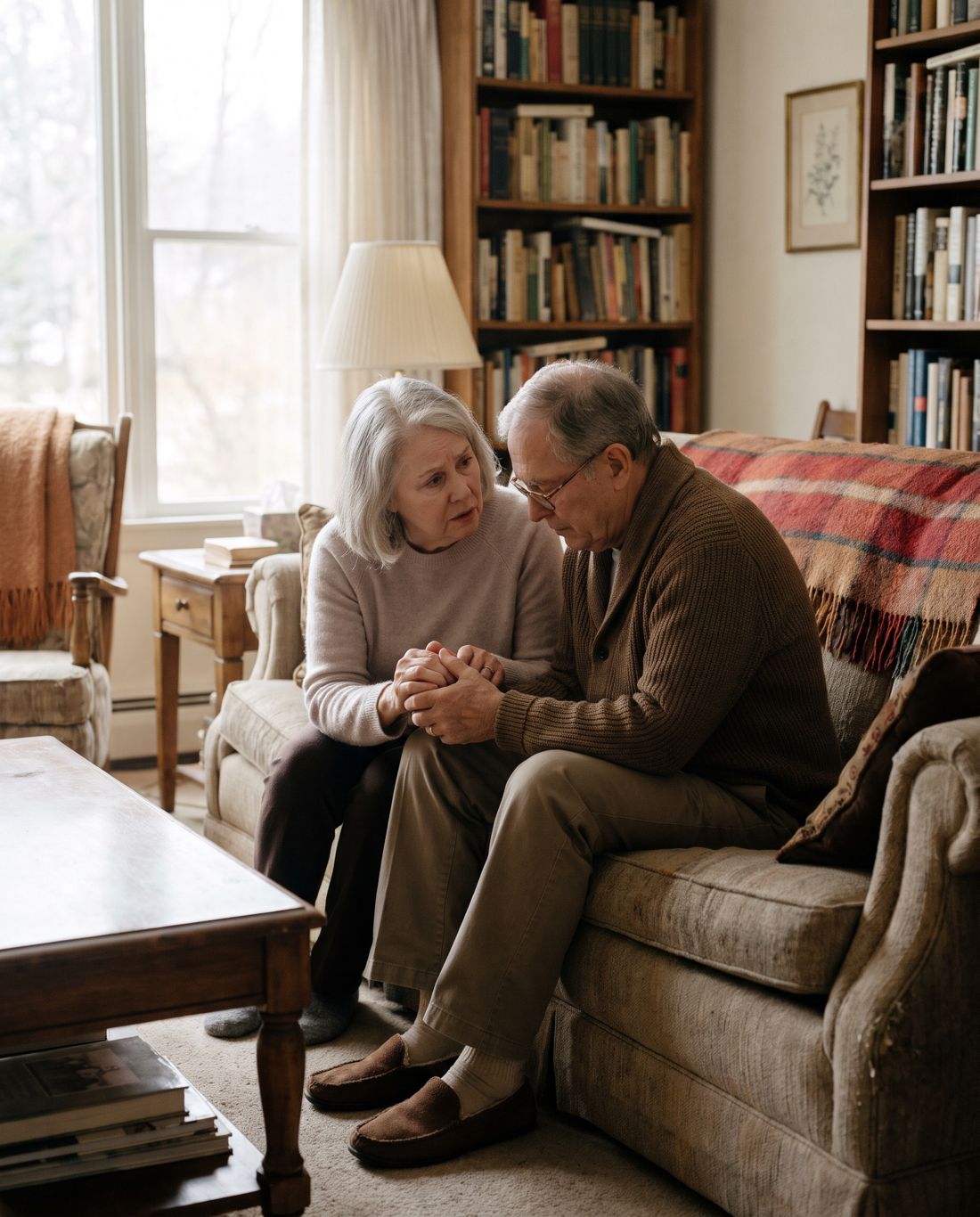
Linda and Tom, married 38 years. Photo illustration.

For four years, I went to bed next to two blocks of ice.

Every night Tom's feet would find mine under the covers, and every night I'd jump. He'd laugh. "Circulation of a lizard," he called it.

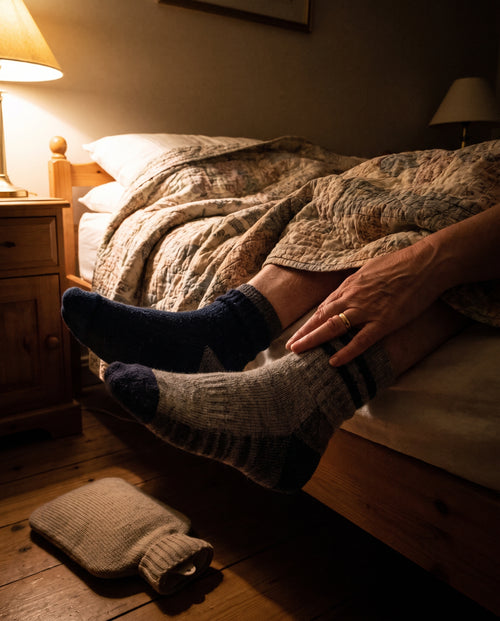
But I'd also watched him put his legs up on the coffee table by 5pm because they felt "heavy." Two pairs of socks. A hot water bottle he pretended was mine.

He's 66. His father went early. And Tom, like most men, was "fine."
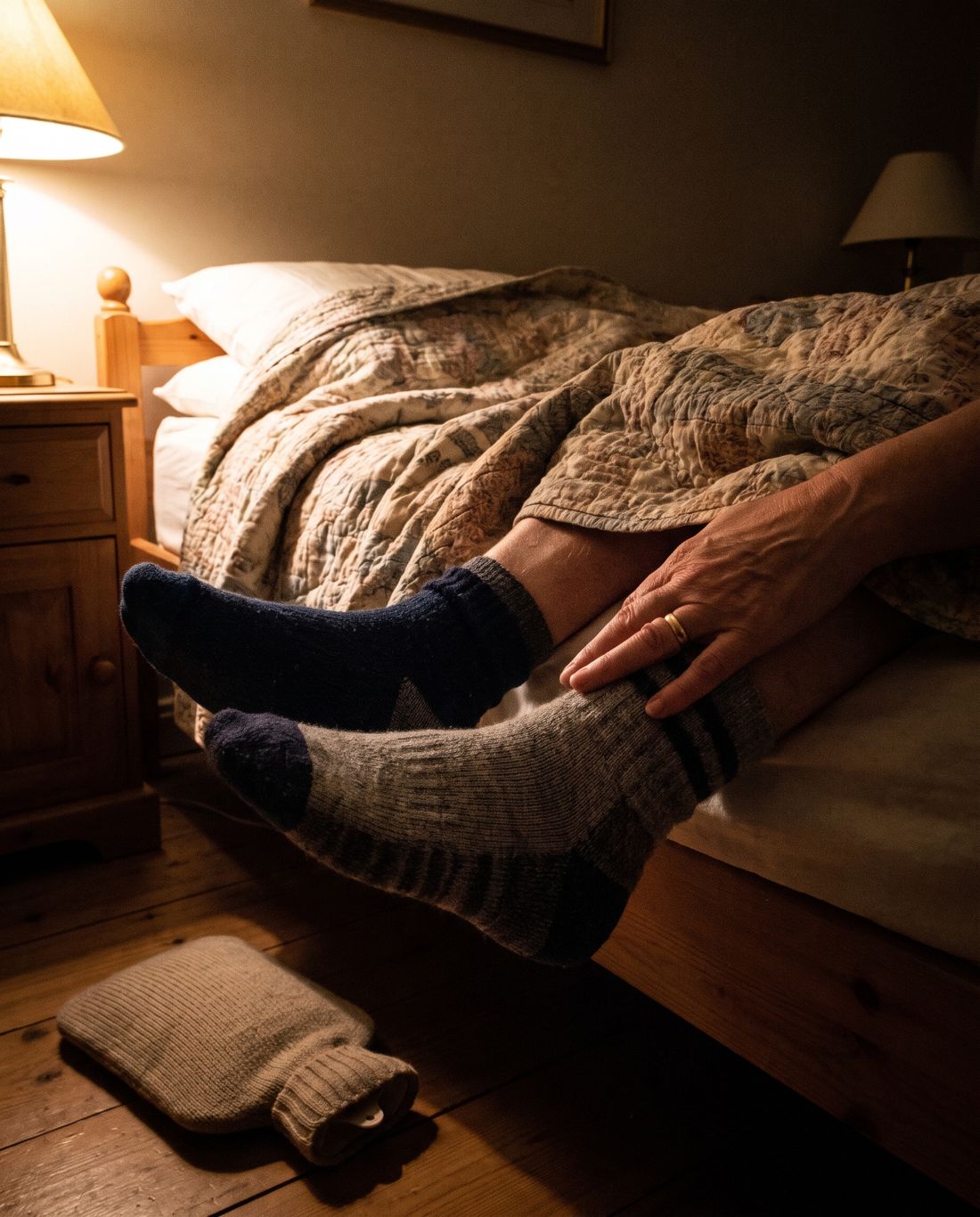
Two pairs of socks and a hot water bottle. Every night, even in spring.

The Problem With "I'm Fine"

If you're married to a man over 60, you know this conversation. You leave an article on the counter. He doesn't read it. You mention it at dinner. He changes the subject.

And every night, those feet.

So I started reading for both of us. And the first thing I learned made everything else make sense.

Cold Feet Are The End Of The Line

Your blood has to travel farther to reach your toes than anywhere else in your body, through your narrowest vessels. When circulation isn't at its best, that's usually where you feel it first.

Your fingers and toes are the farthest trip your blood makes.

That's why cold feet at night get written off as "just age." But it isn't nothing. It's the end of the line telling you something. (And yes, I told Tom to mention it to his doctor. He did. That conversation is free.)

Socks, heating pads and hot water bottles all work on the outside. For about an hour. Then he was cold again by 3am.

A Japanese Breakfast Food Most Americans Have Never Heard Of

In 1980, a Japanese researcher named Dr. Hiroyuki Sumi tested 173 foods for one that could break down fibrin, a sticky protein your body uses as a patch. 172 failed.
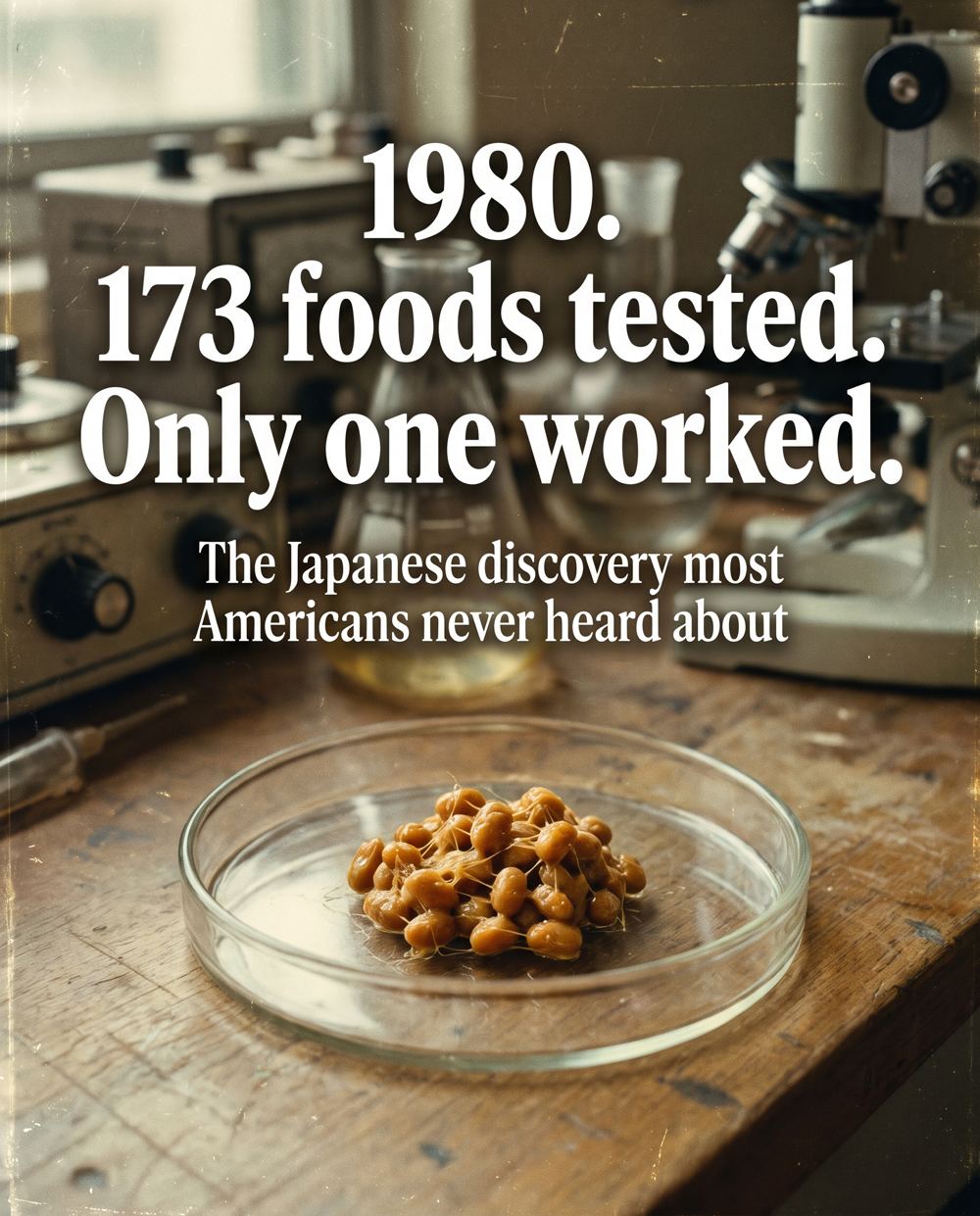
1980: one food out of 173 broke down fibrin in the lab.

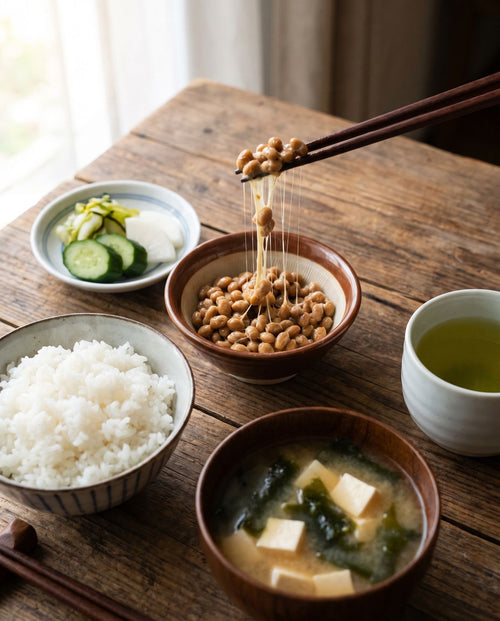
The one that worked was natto, the fermented soybeans Japan has eaten with breakfast for about 1,000 years. Its enzyme, nattokinase, has been studied ever since for its role in supporting healthy circulation.*

Of course, Tom was never going to eat it.

Natto Smells Like Bad Feet. Tom Would Rather Have Cold Ones.

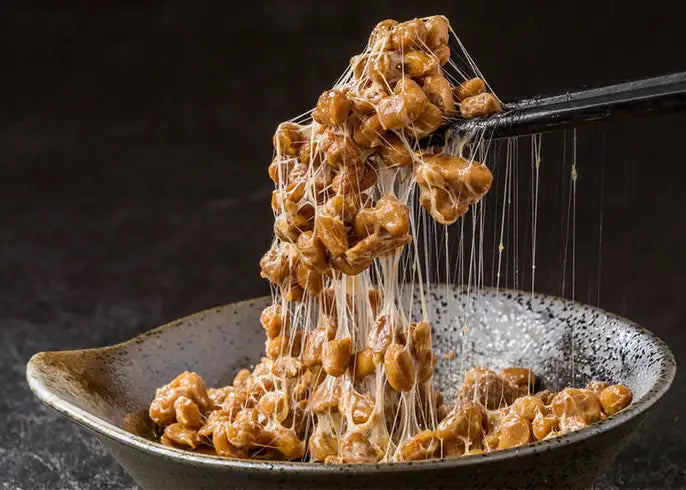
I bought a pack from the Asian grocery store to see. Sticky. Slimy. Strings off the chopsticks. And the smell. Online people compare it to bad feet, and they're not being unkind.
"47 years of trying to like natto... and after 47 years, it's still a NO to me."Reddit, r/JapaneseFood
Real natto: sticky stringsReal natto
✕Sticky, slimyStrings off the chopsticks and a smell people compare to old socks.
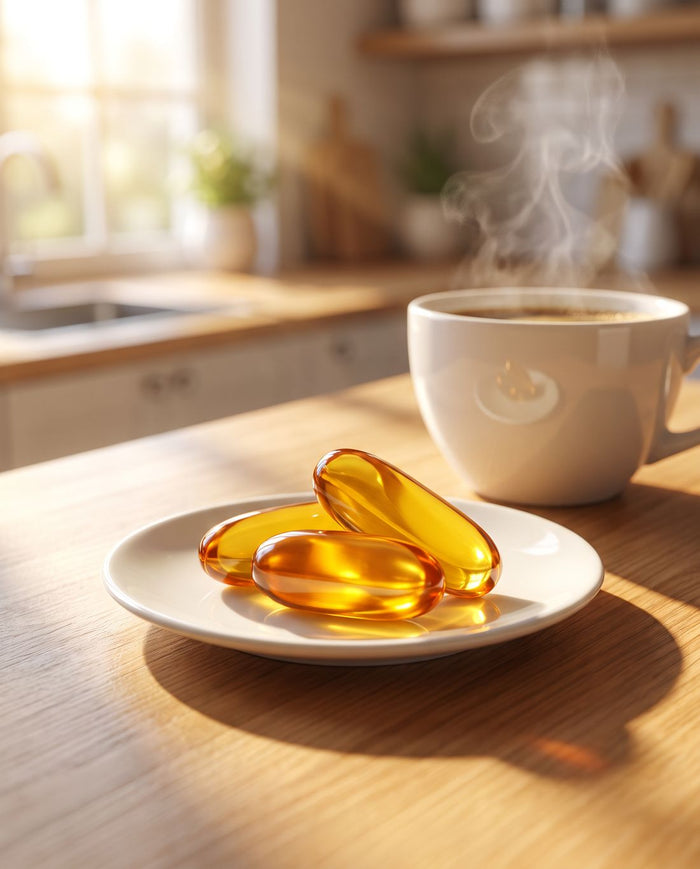
Chōju softgels next to a coffee cupOne softgel
✓No smell, no stringsNo taste. Ten seconds with your coffee.
Same tradition. One of them you will actually take every morning.

So I looked at supplements instead. And this is the part I wish someone had told me before I spent money.

Why Most Nattokinase Isn't Worth Your Time

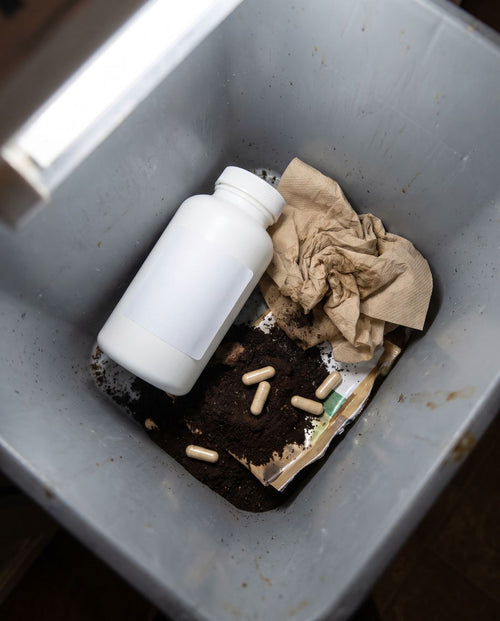
Nattokinase is an enzyme, a working protein. And enzymes are fragile. Heat, air and moisture wear them down.

Most of what's sold is a dry powder in a capsule: shipped in hot containers, then opened every morning in a steamy bathroom. The number on the label is what went into the factory, not what's still working when you swallow it.
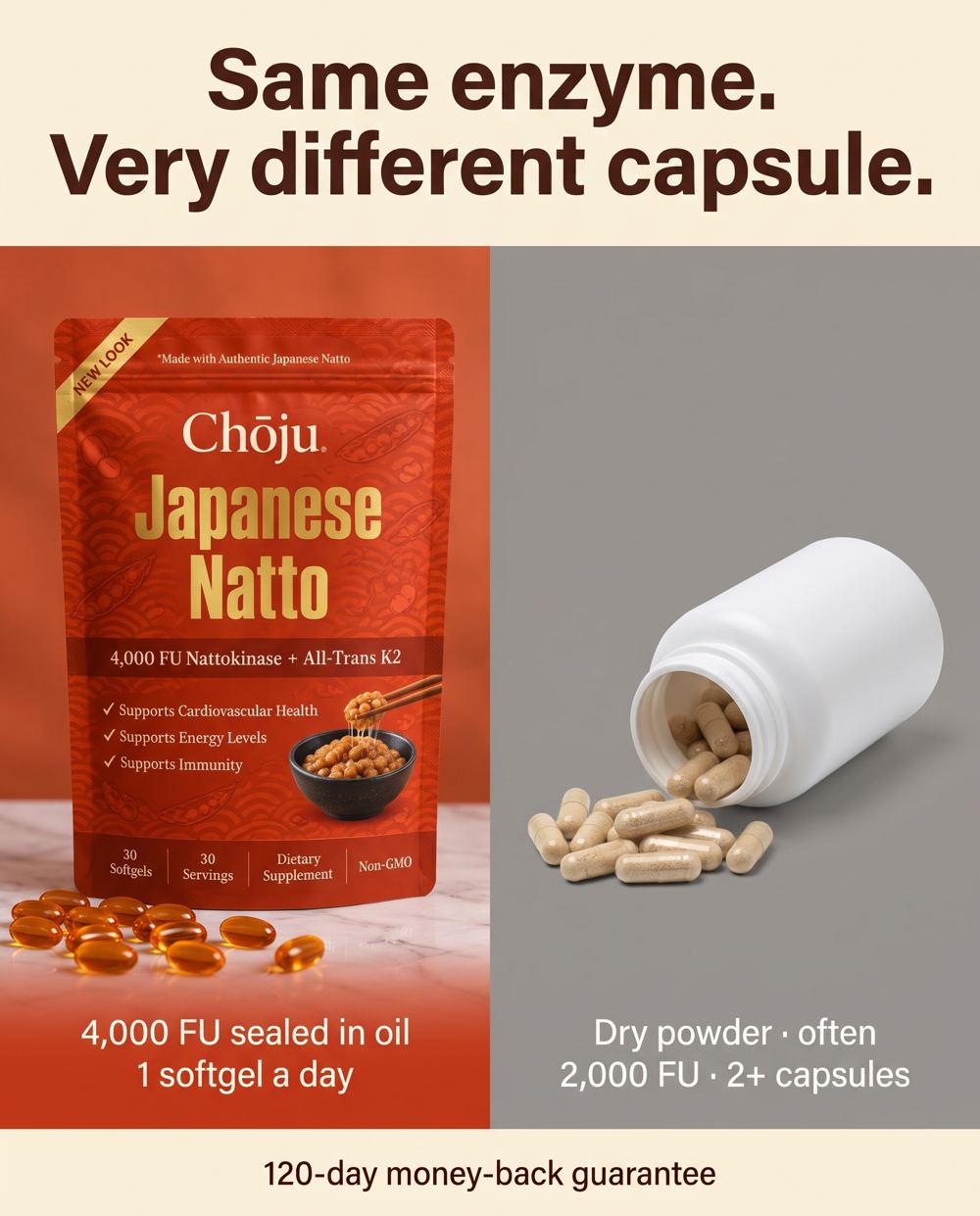
Same enzyme, very different capsule.
What I looked for instead
  • Nattokinase from real Japanese natto
  • Sealed in oil inside a softgel, so air and moisture never touch it
  • The full 4,000 FU in one, not two or three a day
  • The vitamin K2 natto is famous for, in the same softgel
  • No smell. Tom has a nose like a bloodhound.

What We Use Now

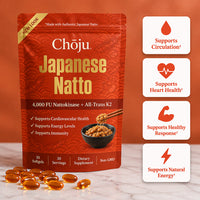
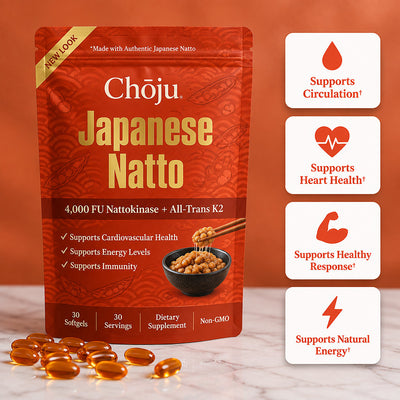
The one that ticked every box is called Chōju Japanese Natto. 4,000 FU of nattokinase from authentic Japanese natto, sealed in MCT oil. Plus 180 mcg vitamin K2, 2,000 IU D3 and 500 mcg B12, which many men over 60 absorb less of.*
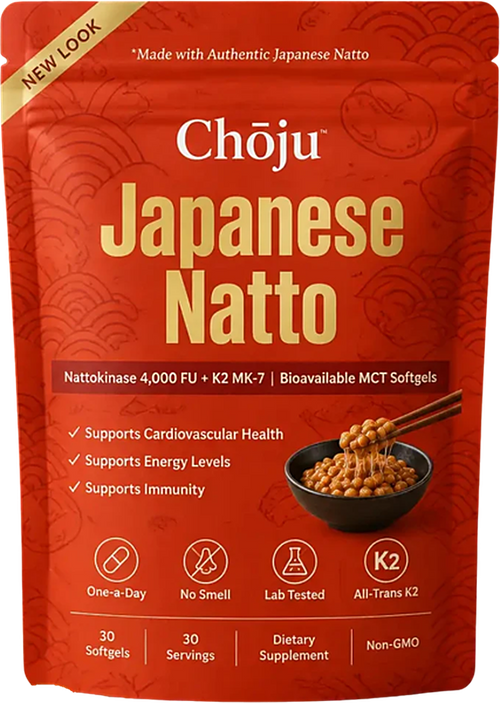
4 in 1
Four things. One softgel.
Chōju Japanese Natto pouch
1 softgel a day
30 per bag
01
4,000FU
Nattokinase
The enzyme from real Japanese natto
02
180mcg
Vitamin K2 (MK-7)
Natto's other half. Helps send calcium to bones*
03
2,000IU
Vitamin D3
Helps you absorb calcium*
04
500mcg
Vitamin B12
Many of us absorb less after 60*
All four sealed in MCT oil. Other ingredients: MCT oil and the softgel shell. No maltodextrin.

Chōju is not a medicine. It's not a replacement for anything his doctor prescribes, and it won't "cure" anything. What there is research on is nattokinase and healthy circulation, and that's all Chōju claims.*

Here's the one we use ↓

How I Got Him To Take It

I didn't lecture him. I put the bag next to the coffee maker and took one myself every morning.

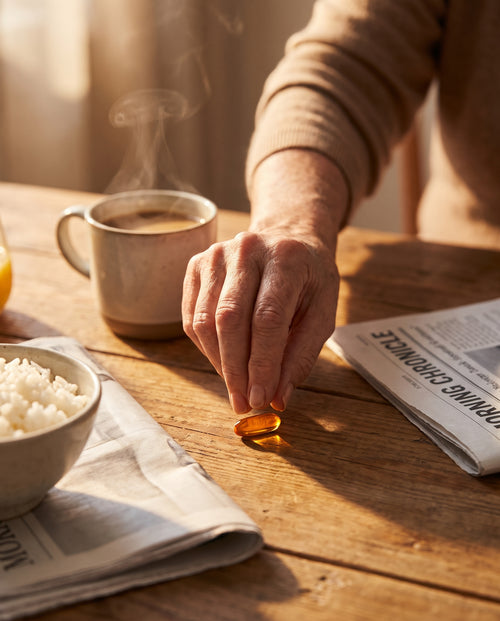
Breakfast at our house. One softgel each, next to the coffee.

After a week he asked what it was. After two weeks he was taking one too. No smell, nothing to mix, ten seconds.

Before he started, we showed the label to his doctor, because Tom takes a blood pressure pill. Please do the same.

Talk to your doctor first if you take a blood thinner. Nattokinase and vitamin K2 both matter if you take warfarin, Eliquis, Xarelto, Plavix or daily aspirin, have a bleeding disorder or surgery scheduled. Chōju contains soy. Never stop or change a prescription to try a supplement.

Last Month

A cold night in October. I got into bed and reached for the thermostat.

Tom said, "Leave it. I'm warm enough."

I'm not going to promise you the same. Everyone is different, and it took weeks, not days. What I'd suggest is the test we used: count the socks at bedtime in week 1, and again in week 8.

What It Costs (Compared To What We Were Spending)

One winter of warming up from the outside
What cold feet usually cost
Heated socks$59.99
Electric blanket$89.99
Foot spa$49.99
Heating pad$34.99
Higher heating bill, every winter$$$
Total, before the heating bill$234.96
Chōju pouchChōju, one softgel a day40¢ a day
Typical retail prices. 40¢ a day is the Buy 3, Get 2 Free bundle (5 bags) with Subscribe & Save. One-time: 67¢ a day.

Heated socks that died by February. An electric blanket. The heating bill. Chōju works out to as little as 40¢ a day on the 5-bag deal with Subscribe & Save. One bag lasts one person 30 days; the 3-bag deal lasted the two of us about six weeks.

I asked the Chōju team if they'd do something for readers. They agreed to their Pre-Black Friday pricing, and they give you 120 days to decide. If it doesn't earn its place, email them and get the product price back. No need to send anything back.

See the reader discount ↓

Warmly,
Linda R.

P.S. Don't make it a lecture. Put it by the coffee and take one yourself. Habits are easier together.

P.P.S. Get the 3 bags. Eight weeks is a fair test, and the 120 days cover you either way.
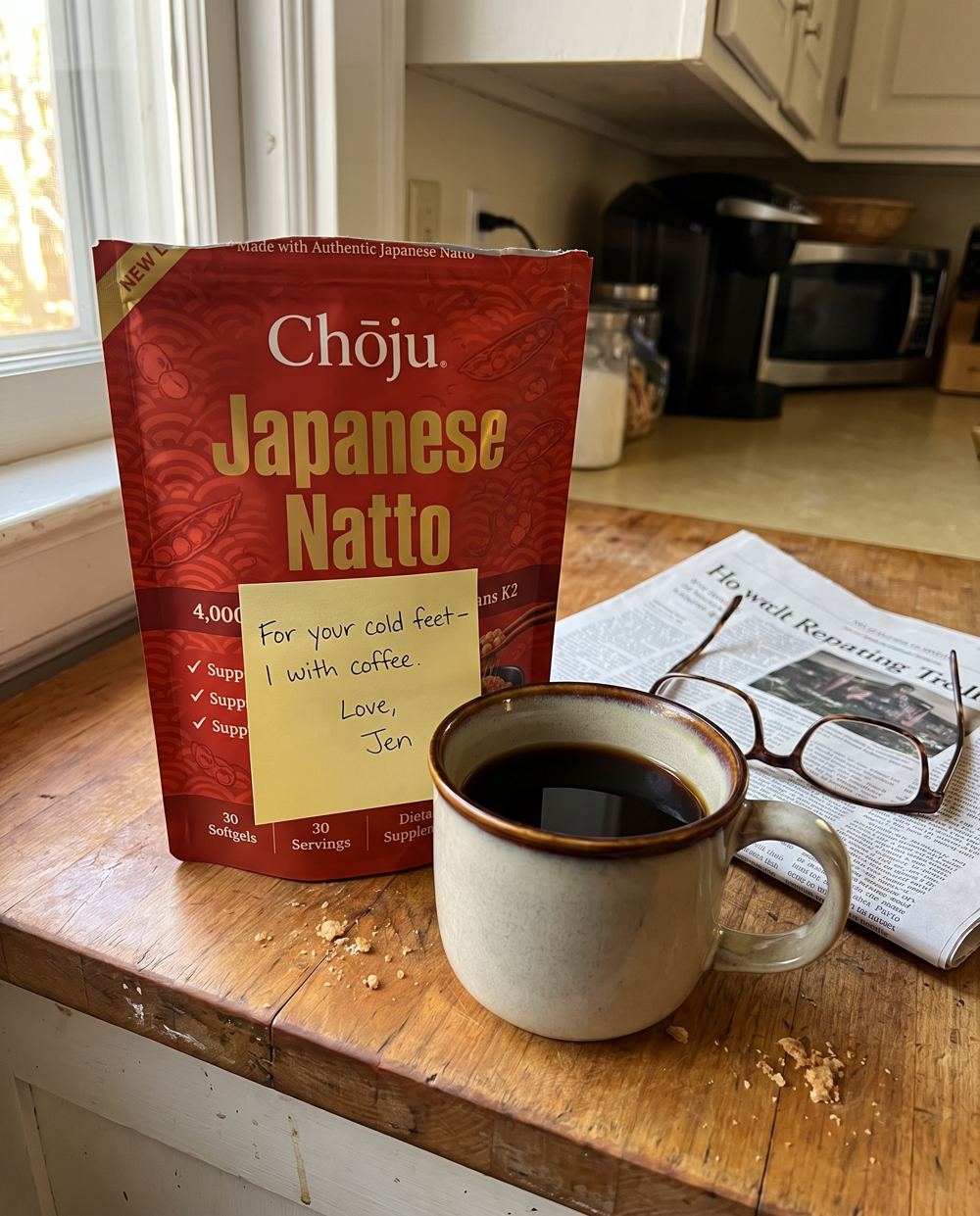
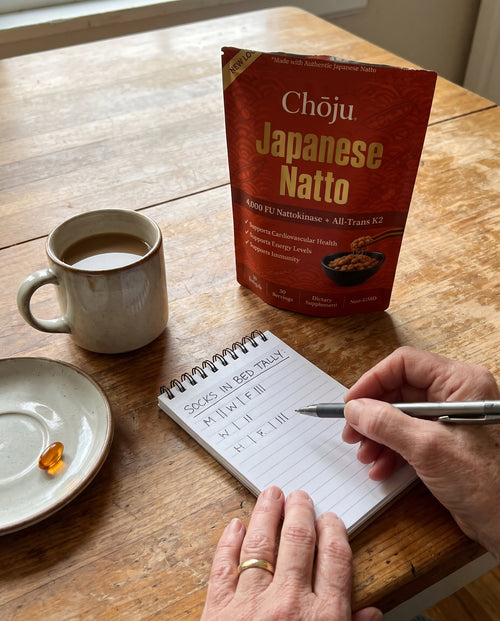
Chōju pouch on a kitchen table with a handwritten note
120DAYSMoney-back guarantee

120 Days To Feel The Difference. Or Your Money Back.

Take one every morning for up to 120 days. If it doesn't earn its place, email Chōju and get the product price back. No need to send anything back.

Your first 120 days

What To Expect, Honestly

Nothing on day 1. Give it 8 weeks. Here is the timeline we tell everyone.*

  1. Week 1

    The habit, not the feeling

    • One softgel with breakfast. No smell, nothing to mix.
    • Don't expect to feel anything yet. That's normal.
    • Count how many pairs of socks you wear to bed. Write it on the bag.
    The habit, not the feeling
  2. Weeks 2 to 4

    Keep going quietly

    • Same softgel, same time, every morning.
    • Support for circulation builds with daily use. It is not a heating pad.
    • This is where most people quit. Don't judge it yet.
    Keep going quietly
  3. Weeks 4 to 8

    Start keeping score

    • Compare your notes to week 1: socks, evenings, hands.
    • Week 8 is a fair time to decide.
    • You still have until day 120 to decide.
    Start keeping score
  4. Month 3 and beyond

    Part of the morning

    • One softgel next to the coffee, like Japan has done with natto for 1,000 years.
    • Subscribers can pause or cancel refills anytime.
    Part of the morning

*Individual results vary. Chōju is a dietary supplement, not a medicine.

For readers of this article

The Reader Discount

Pre-Black Friday pricing. Most readers start with 3 bags: eight weeks is a fair test, and the 120-day guarantee covers you either way.

Pre-Black Friday pricing ends in02:00:00
Most popularChōju Japanese Natto, 3 bags

Buy 2, Get 1 Free

3 bags · 90 softgels · 90-day supply
Free US shipping

$83.32$149.97

Get 3 bags →
Best valueChōju Japanese Natto, 5 bags

Buy 3, Get 2 Free

5 bags · 150-day supply · Free US shipping
As little as 40¢ a day with Subscribe & Save

$99.99$249.95

Get 5 bags →
120-day money-back guaranteeNo need to send it backFree US shipping

Talk to your doctor first if you take a blood thinner. Nattokinase and vitamin K2 matter if you take warfarin, Eliquis, Xarelto, Plavix or daily aspirin, have a bleeding disorder or surgery coming up. Contains soy (natto is fermented soybeans).

Quick Answers

Does it actually work, and how long does it take?

Nattokinase has been studied for its role in supporting healthy blood flow since 1980, which is the only thing Chōju claims.* It isn't a heating pad. Take one softgel every morning and judge it at 8 weeks. You have 120 days.

Will I feel it?

Not on day 1, and probably not in week 1. Support for circulation builds with daily use. Count the socks you wear to bed in week 1 and again in week 8.

Is it safe with blood thinners?

Talk to your doctor first if you take a blood thinner (warfarin, Eliquis, Xarelto, Plavix) or daily aspirin, have a bleeding disorder or surgery planned. Nattokinase and vitamin K2 both matter here. Never stop or change a prescription to take a supplement.

What's in it?

4,000 FU nattokinase from Japanese natto, 180 mcg vitamin K2 (MK-7), 2,000 IU vitamin D3 and 500 mcg vitamin B12. Other ingredients: MCT oil and the softgel shell. No maltodextrin, no powder fillers. Contains soy.

Does it smell or taste like natto?

No. Real natto is sticky and smells strong. Chōju is sealed inside a softgel: no smell, no strings, no taste.

How big is the softgel?

It's a smooth, oil-filled softgel, one a day. Softgels go down easier than dry tablets for most people. Take it with water and breakfast.

Will it upset my stomach?

Take it with food. It's sealed in MCT oil with no powder fillers. If anything doesn't agree with you, stop and contact Chōju for a refund.

Why not buy cheaper nattokinase on Amazon?

Flip the bottle. Most is dry powder in a capsule, often 2,000 FU (so 2+ a day), often with maltodextrin, and usually no K2. Many marketplace supplements can't be returned once bought. Chōju is 4,000 FU sealed in oil, with K2, D3 and B12, and a 120-day guarantee.

Can I return it?

Yes. Email Chōju within 120 days for a full refund of the product price. No need to send anything back.

How does Subscribe & Save work? Can I cancel?

Choose it on the product page to save 40% on every order. Refills ship every 30 days, and you can skip, pause or cancel anytime.

CommentsMost relevant ▾
👤

Comments are moderated. Chōju does not reply with medical advice; please ask your doctor about your own situation.

Related reading

This is an advertisement and not an actual news article, blog, or consumer protection update. The story on this page is illustrative and individual experiences vary. *These statements have not been evaluated by the Food and Drug Administration. This product is not intended to diagnose, treat, cure, or prevent any disease. Talk to your doctor first if you take a blood thinner. Contains soy. Images are illustrations; individual results vary. The 120-day guarantee covers the product price; see our Refund Policy. Research summaries refer to nattokinase and vitamin K2 as ingredients, not to Chōju as a finished product.

Contact|Privacy Policy|Terms|Refund Policy
See the reader discount ↓120-day money-back guarantee · Free US shipping