
Still Sleeping In Socks? 7 Things Nobody Tells You About Cold Hands & Feet After 60
Number 5 is why most people who try to fix it from the inside never get the chance.
Socks to bed in July. A blanket on your lap at 2pm. Hands so cold the grandkids flinch when you hug them.
If that's you, or someone you love, you've probably been told it's "just age." Here's what nobody explains, in plain English. It takes six minutes.
Your Hands And Feet Are The End Of The Line
Look at your fingertips. Now think about where your heart is.
Your blood has to travel farther to reach your fingers and toes than anywhere else in your body, through your narrowest vessels. So when circulation isn't at its best, that's where you feel it first.
It's not that your feet are "weird." It's geography.
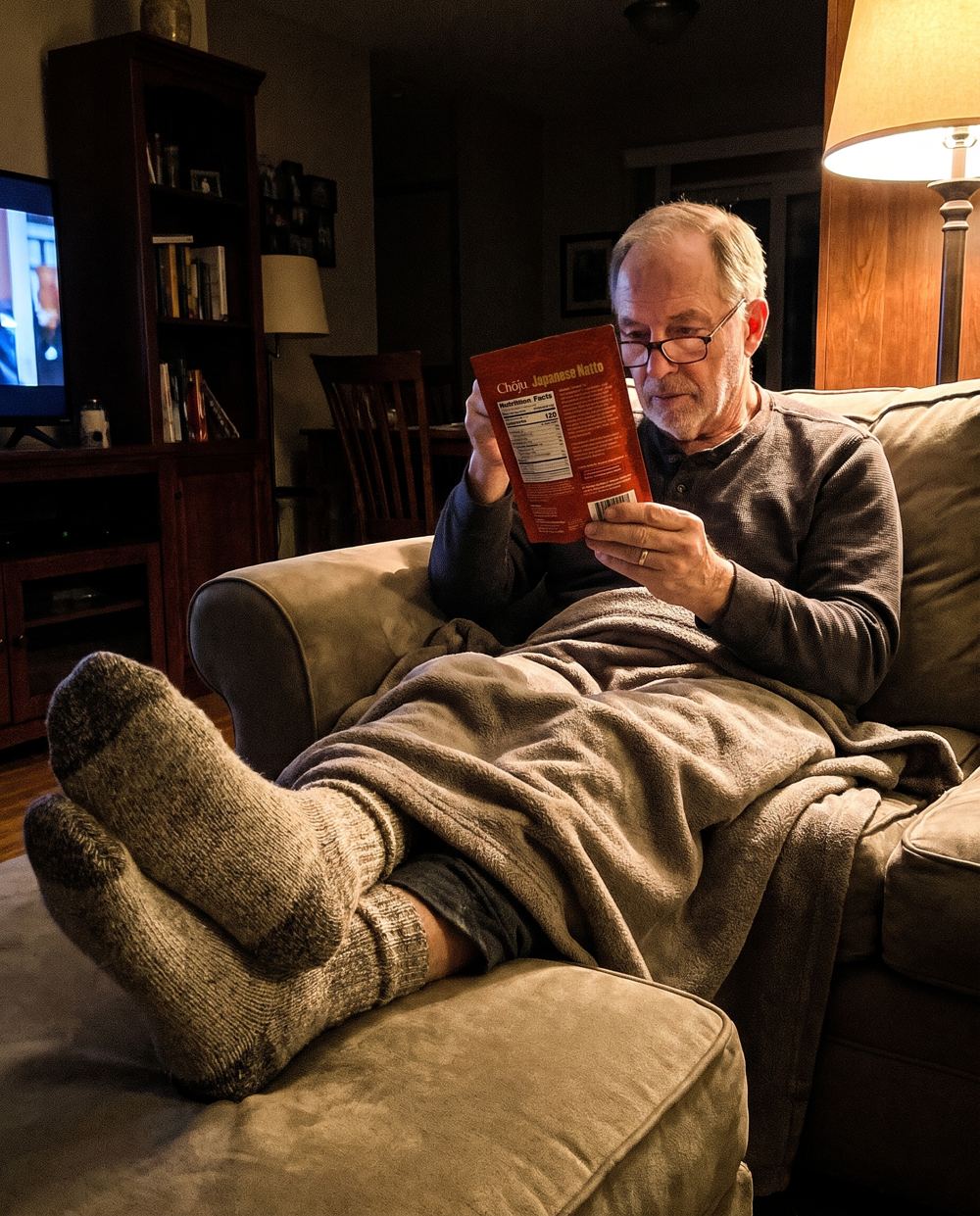
Socks Warm The Outside. For About An Hour.
Do you do this? Two pairs of socks. Hot water bottle at the foot of the bed. Feet tucked under your partner's legs (they love that).
All of it works on the outside of your feet. None of it does anything for what's happening inside, which is why you're cold again by 3am.
Most people spend $200+ a winter warming up from the outside. Every year.
"Wear Extra Layers" Isn't An Answer
It's what most people get told. It's a shrug, not an answer.
And if you're a woman past 45, you may know the strangest version: feet like blocks of ice under the covers while you're sweating through a hot flash.
Cold hands and feet are worth mentioning to your doctor, especially if they're new, one-sided, turn white or blue, or hurt. That conversation is free.
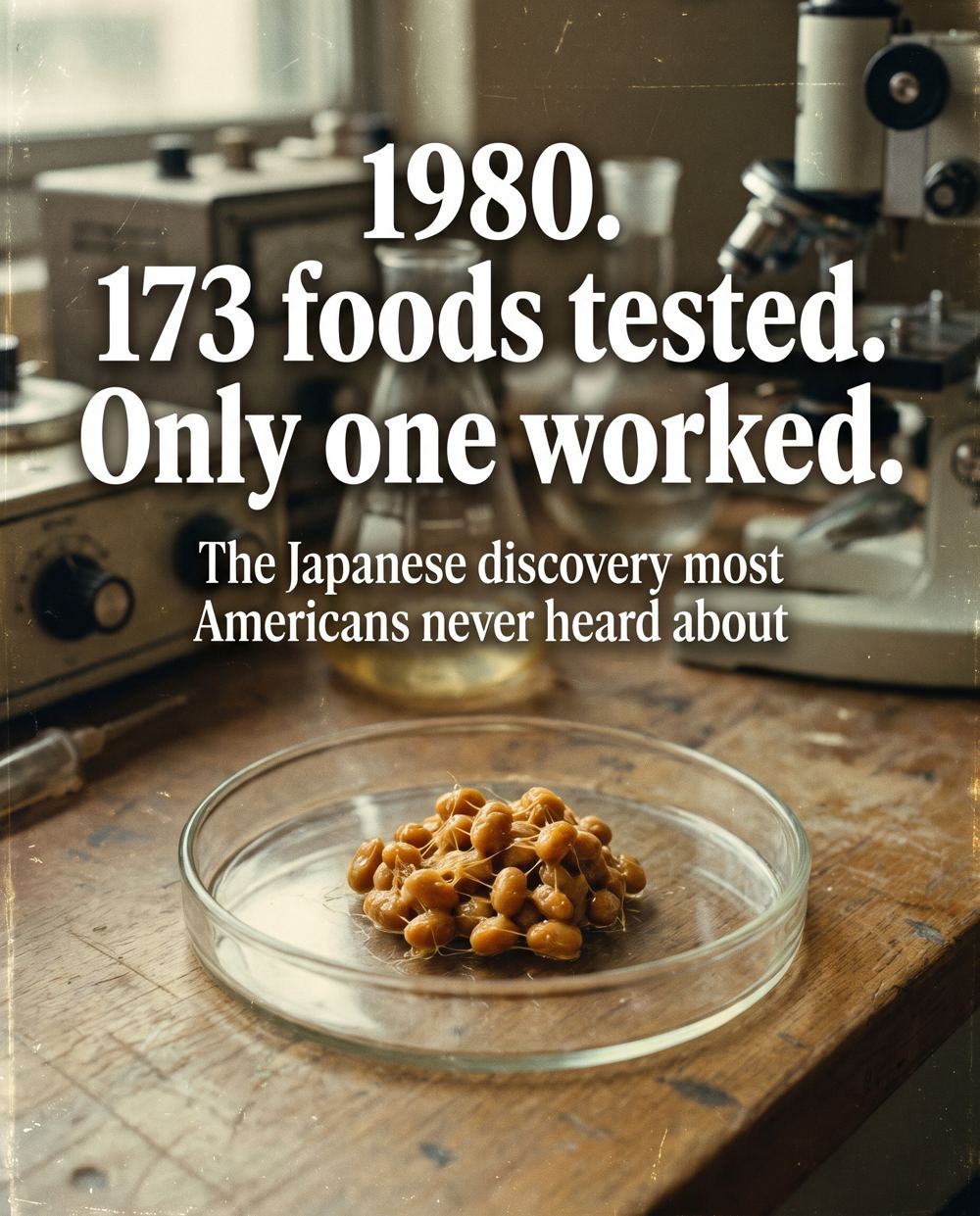
In 1980, Japan's Strangest Breakfast Beat 172 Other Foods
A Japanese researcher, Dr. Hiroyuki Sumi, tested 173 foods for one that could break down fibrin, a sticky protein your body uses as a patch. 172 failed.
One didn't: natto, the fermented soybeans Japan has eaten with rice every morning for about 1,000 years. He named its enzyme nattokinase. It has been studied around the world ever since for its role in supporting healthy blood flow.*
Here's the catch. The enzyme only comes from real natto. And it's fragile.
The Enzyme Is Fragile. That's Why Most Of It Never Makes It.
Nattokinase is a protein that does a job. Heat, air and moisture wear it down.
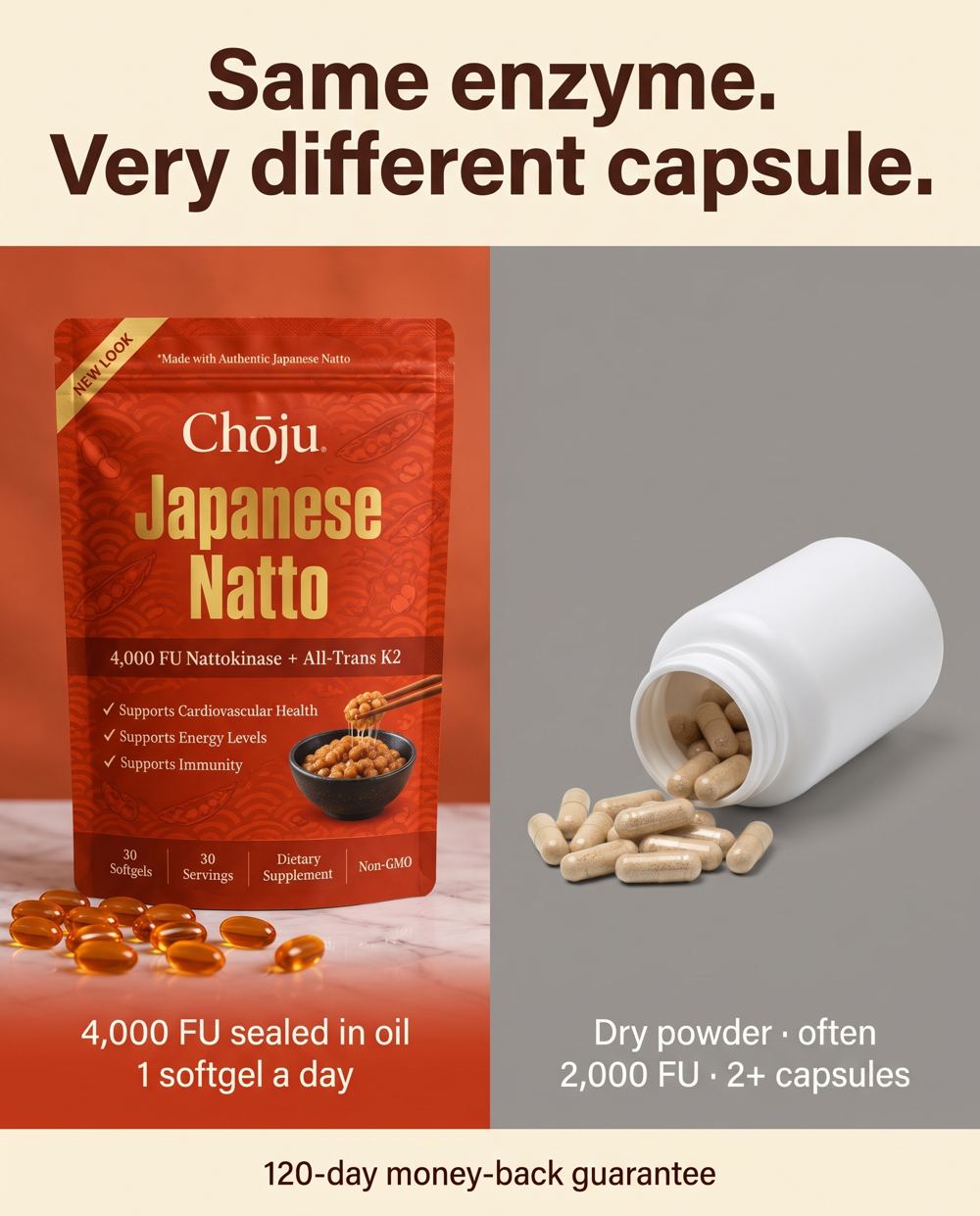
Yet most of it is sold as a dry powder in a capsule: shipped in a hot container, then opened every morning in a steamy bathroom. The number on the label tells you what went into the factory. Not what's still working when you swallow it.
So if you ever try nattokinase, don't waste your time on the other forms. This is the only one worth taking:
- Made from real Japanese natto
- Sealed in oil inside a softgel, not left as dry powder
- 4,000 FU in one, not two or three a day
- No maltodextrin or powder fillers
Natto Has A Second Half Most Capsules Skip
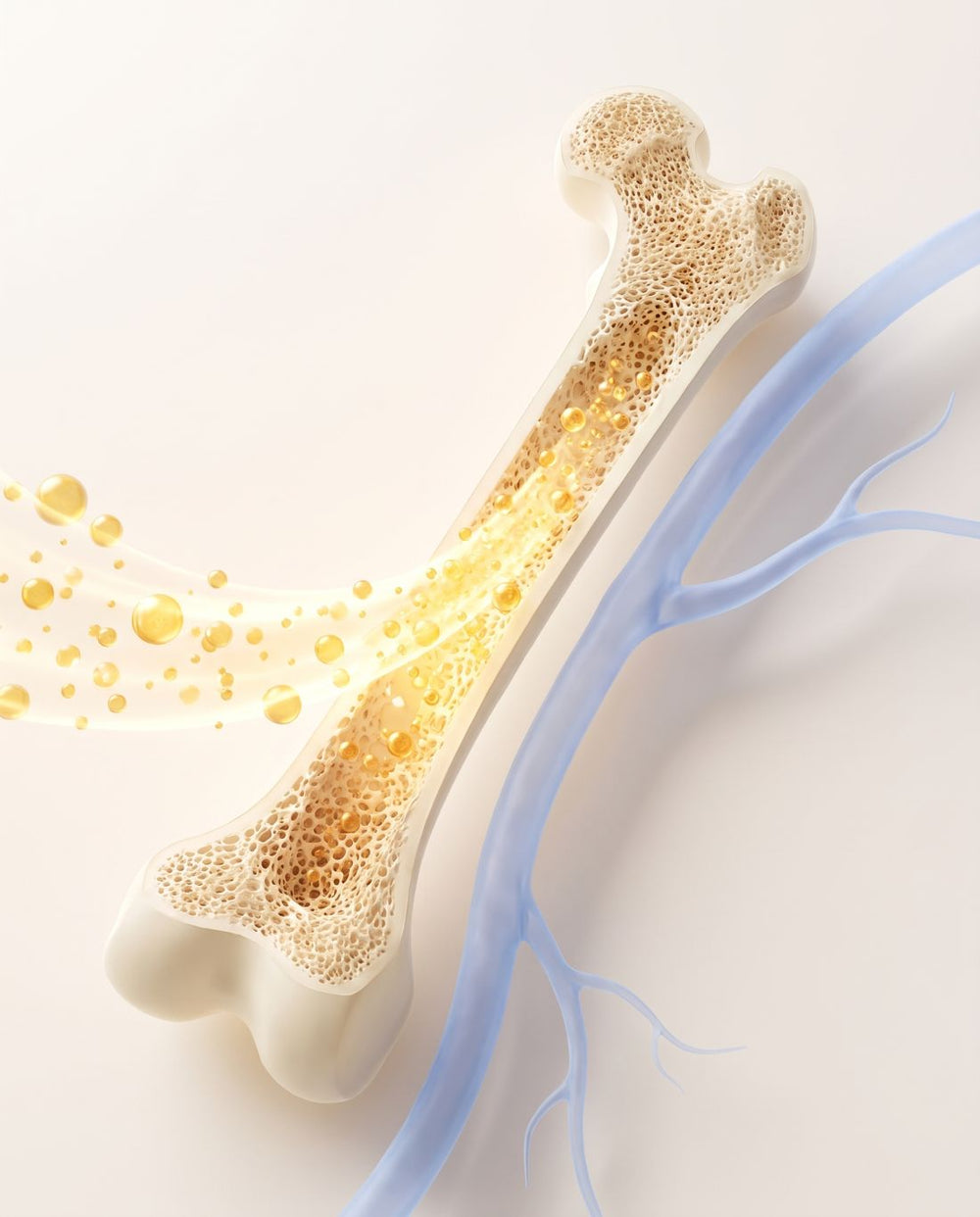
Natto isn't only famous for nattokinase. It's also the richest food source of vitamin K2, which helps send calcium into your bones instead of letting it settle where it shouldn't.*
Millions of people over 60 take calcium. Very few take K2 with it. Most nattokinase capsules leave it out completely.
Add vitamin D3 (helps you absorb calcium) and B12 (many of us absorb less after 60), and you have the whole picture.*
Real natto enzyme. Protected in oil. Plus the K2 natto is famous for. In one softgel you'd actually take.
I looked for a long time for one product that did all of it without the smell. This is the one I use, and the one I send to my mom.
See the one I use ↓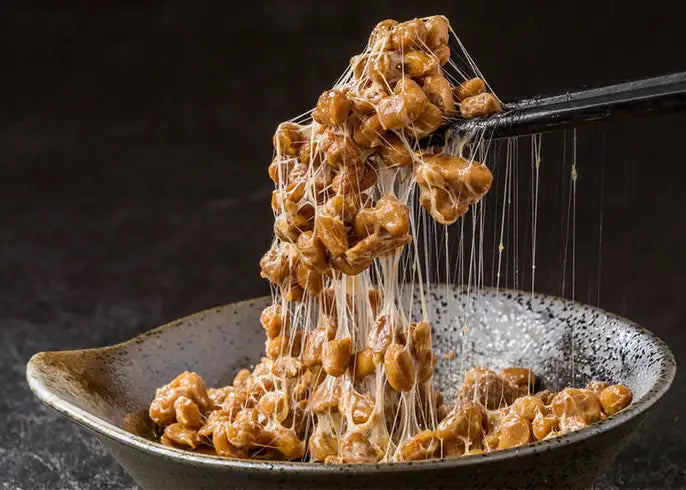 Real natto
 One softgel
Real Natto Smells Like Bad Feet. This Doesn't.
Let's be honest about the food. Natto is sticky, slimy, and stretches into strings off your chopsticks. People describe the smell as "bad feet."
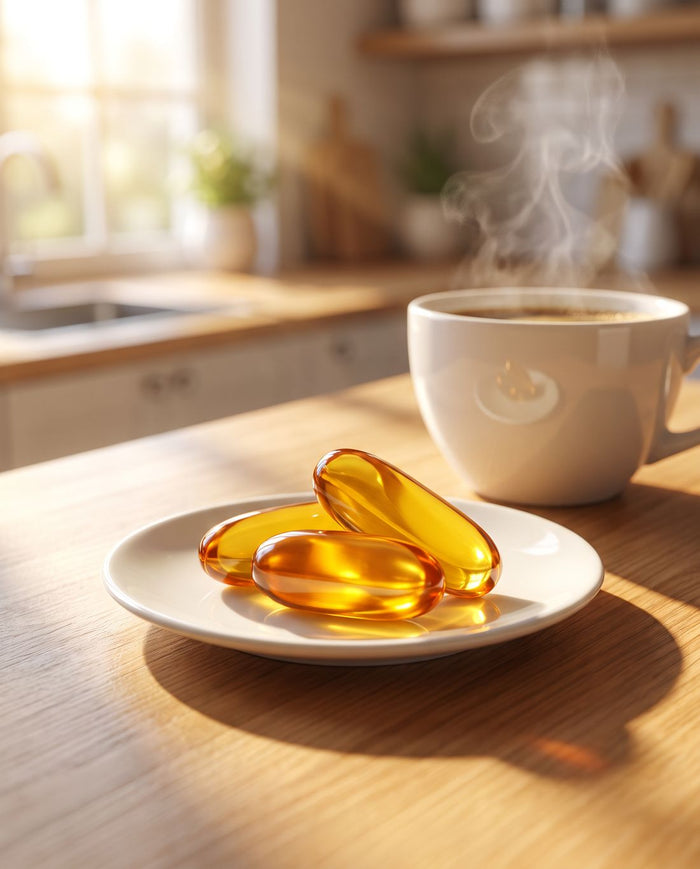
One Chōju softgel gives you what made natto famous, without the bowl. No smell, no strings, no taste. Ten seconds with your coffee.
Keep reading ↓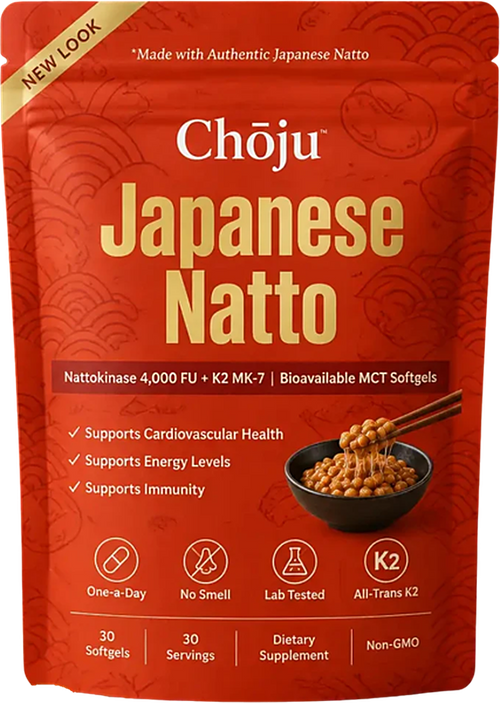
30 per bag
Chōju Japanese Natto: real natto enzyme, sealed in oil, plus K2, D3 and B12.
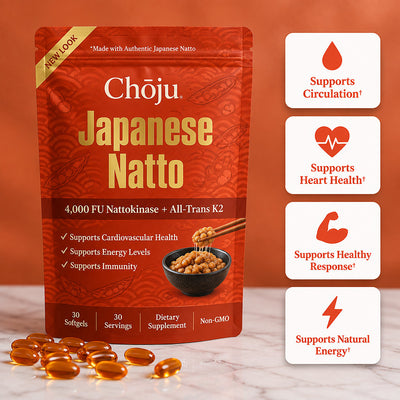
One softgel with breakfast covers everything above. It's made with authentic Japanese natto, 4,000 FU in every softgel, sealed in MCT oil. Other ingredients: MCT oil and the softgel shell. That's it.
It's not a medicine and it won't "cure" cold feet. What there is research on is nattokinase and healthy circulation, and that's all Chōju claims.*
See today's offerWhy Japan's Enzyme Gets To Your Fingertips
Dr. Hiroyuki Sumi tests 173 foods for one that breaks down fibrin. Only natto does it. He names the enzyme nattokinase.
Sumi H. et al., Experientia, 1987In a double-blind, placebo-controlled crossover study, a single dose of nattokinase raised markers of the body's own fibrin breakdown for hours afterwards.*
Kurosawa Y. et al., Scientific Reports, 2015The MK-7 dose used in a 3-year study of healthy postmenopausal women. The same amount is in every Chōju softgel.*
Knapen M. et al., 2013Measured by what the enzyme does, not what it weighs. Sealed in oil so air and moisture never touch it.
Chōju supplement facts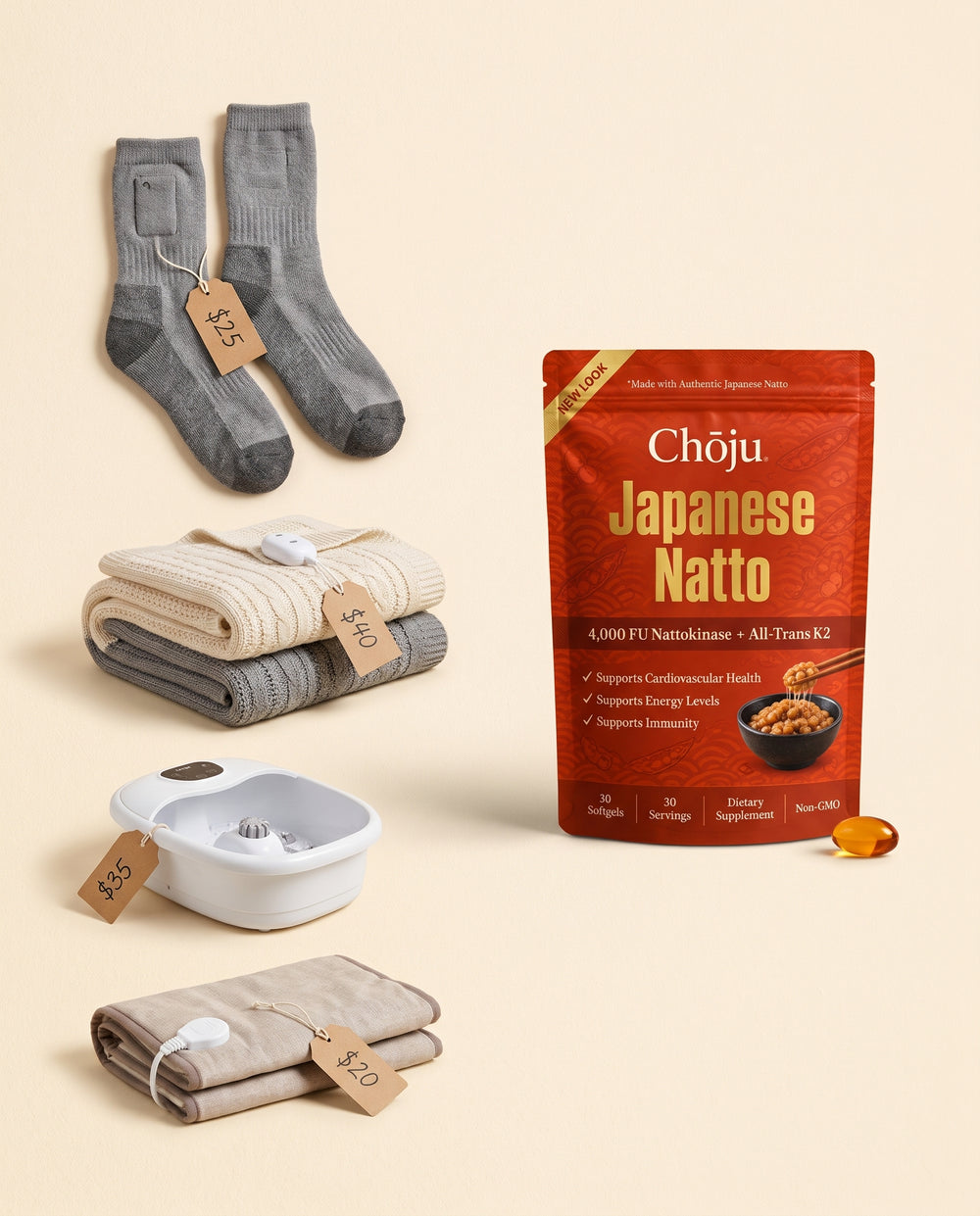
Less Than One Pair Of Heated Socks. As Little As 40¢ A Day.
Heated socks, foot spa, electric blanket, heating pad. That's $200+ a winter on things that warm you from the outside, for an hour.
Chōju works on the inside, every morning. As little as 40¢ a day on Buy 3, Get 2 Free with Subscribe & Save (67¢ a day one-time).
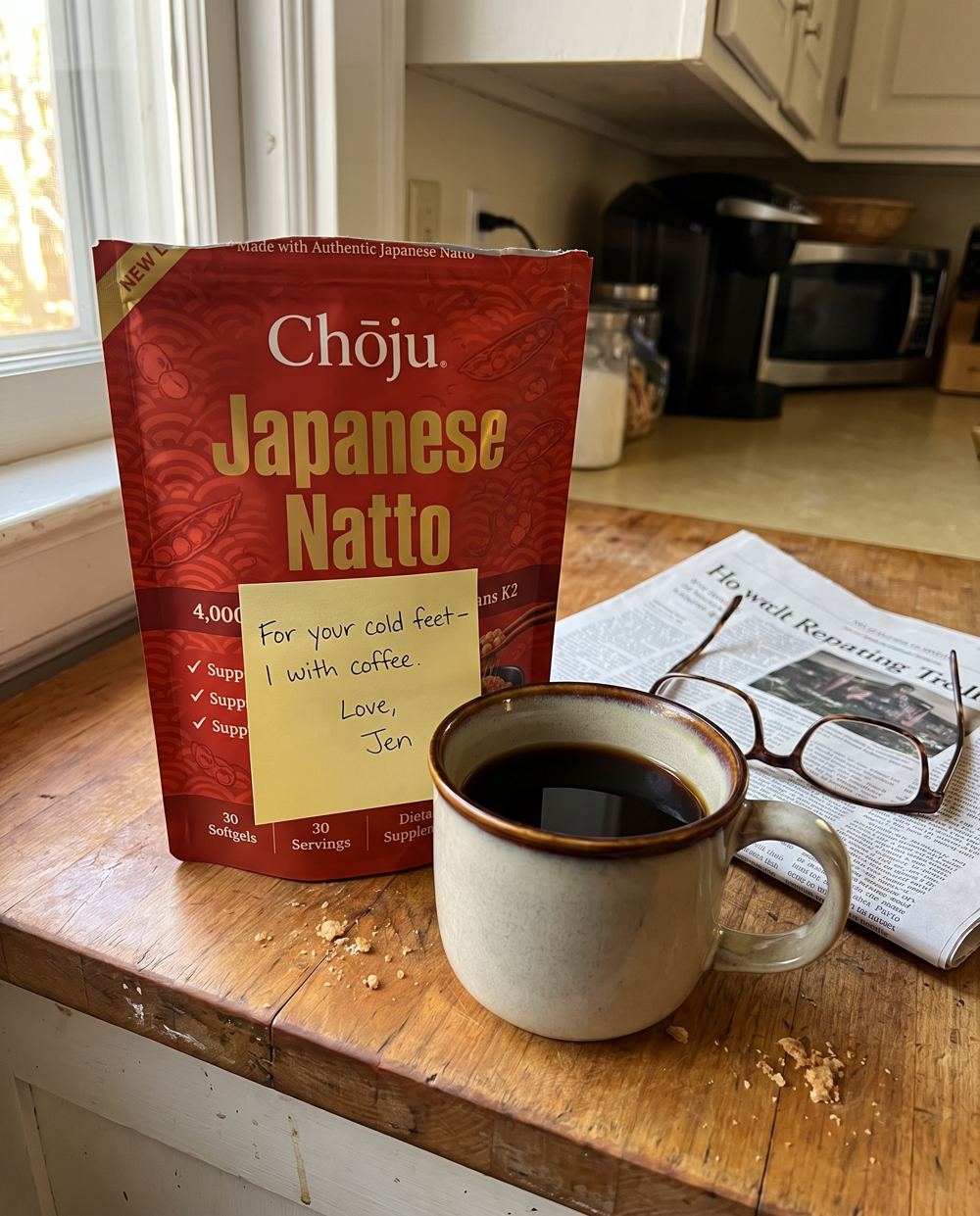
120 Days To Feel The Difference. Or Your Money Back.
Take one every morning for up to 120 days. If it doesn't earn its place, email Chōju and get the product price back. No need to send anything back.
What To Expect, Honestly
Nothing on day 1. Give it 8 weeks. Here is the timeline we tell everyone.*
- Week 1
The habit, not the feeling
- One softgel with breakfast. No smell, nothing to mix.
- Don't expect to feel anything yet. That's normal.
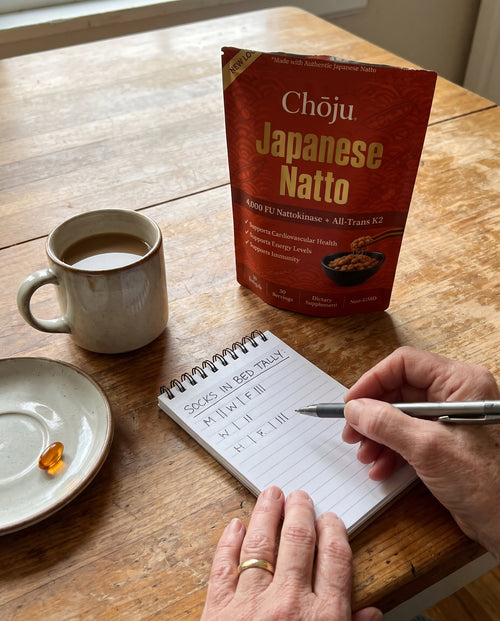
- Count how many pairs of socks you wear to bed. Write it on the bag.
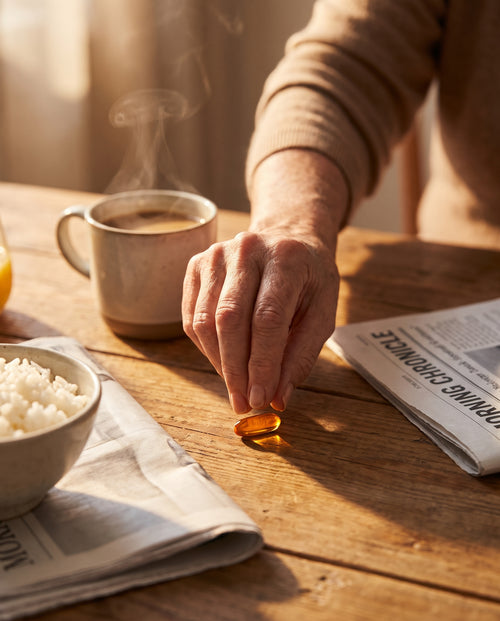
- Weeks 2 to 4
Keep going quietly
- Same softgel, same time, every morning.
- Support for circulation builds with daily use. It is not a heating pad.
- This is where most people quit. Don't judge it yet.
- Weeks 4 to 8
Start keeping score
- Compare your notes to week 1: socks, evenings, hands.
- Week 8 is a fair time to decide.
- You still have until day 120 to decide.

- Month 3 and beyond
Part of the morning
- One softgel next to the coffee, like Japan has done with natto for 1,000 years.
- Subscribers can pause or cancel refills anytime.

*Individual results vary. Chōju is a dietary supplement, not a medicine.
Pre-Black Friday Pricing Is On Now
Most people start with 3 bags. Eight weeks is a fair test, and the 120-day guarantee covers you either way.
Buy 2, Get 1 Free
3 bags · 90 softgels · 90-day supply
Free US shipping
$83.32$149.97
Buy 3, Get 2 Free
5 bags · 150-day supply · Free US shipping
As little as 40¢ a day with Subscribe & Save
$99.99$249.95
Talk to your doctor first if you take a blood thinner. Nattokinase and vitamin K2 matter if you take warfarin, Eliquis, Xarelto, Plavix or daily aspirin, have a bleeding disorder or surgery coming up. Contains soy (natto is fermented soybeans).
Quick Answers
Does it actually work, and how long does it take?
Nattokinase has been studied for its role in supporting healthy blood flow since 1980, which is the only thing Chōju claims.* It isn't a heating pad. Take one softgel every morning and judge it at 8 weeks. You have 120 days.
Will I feel it?
Not on day 1, and probably not in week 1. Support for circulation builds with daily use. Count the socks you wear to bed in week 1 and again in week 8.
Is it safe with blood thinners?
Talk to your doctor first if you take a blood thinner (warfarin, Eliquis, Xarelto, Plavix) or daily aspirin, have a bleeding disorder or surgery planned. Nattokinase and vitamin K2 both matter here. Never stop or change a prescription to take a supplement.
What's in it?
4,000 FU nattokinase from Japanese natto, 180 mcg vitamin K2 (MK-7), 2,000 IU vitamin D3 and 500 mcg vitamin B12. Other ingredients: MCT oil and the softgel shell. No maltodextrin, no powder fillers. Contains soy.
Does it smell or taste like natto?
No. Real natto is sticky and smells strong. Chōju is sealed inside a softgel: no smell, no strings, no taste.
How big is the softgel?
It's a smooth, oil-filled softgel, one a day. Softgels go down easier than dry tablets for most people. Take it with water and breakfast.
Will it upset my stomach?
Take it with food. It's sealed in MCT oil with no powder fillers. If anything doesn't agree with you, stop and contact Chōju for a refund.
Why not buy cheaper nattokinase on Amazon?
Flip the bottle. Most is dry powder in a capsule, often 2,000 FU (so 2+ a day), often with maltodextrin, and usually no K2. Many marketplace supplements can't be returned once bought. Chōju is 4,000 FU sealed in oil, with K2, D3 and B12, and a 120-day guarantee.
Can I return it?
Yes. Email Chōju within 120 days for a full refund of the product price. No need to send anything back.
How does Subscribe & Save work? Can I cancel?
Choose it on the product page to save 40% on every order. Refills ship every 30 days, and you can skip, pause or cancel anytime.
Comments are moderated. Chōju does not reply with medical advice; please ask your doctor about your own situation.