My Mom's 82-Year-Old Japanese Neighbor Gardens Barefoot In November. Her Answer To "How?" Was A 1,000-Year-Old Breakfast
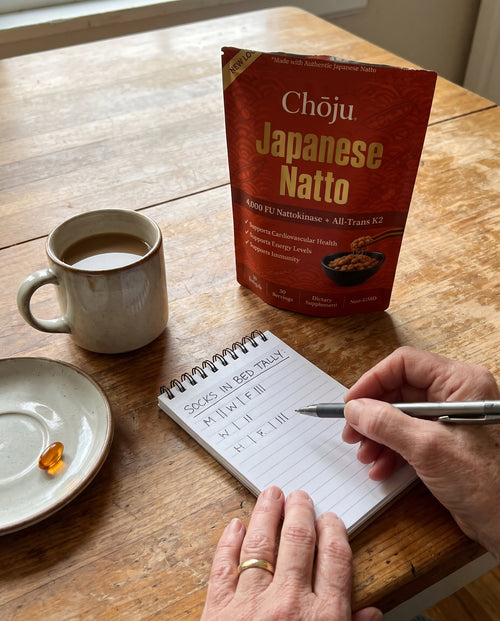
Mom wears two pairs of socks to bed. Mrs. Tanaka pulls weeds in bare feet. I asked her what she does differently. She laughed and said one word.

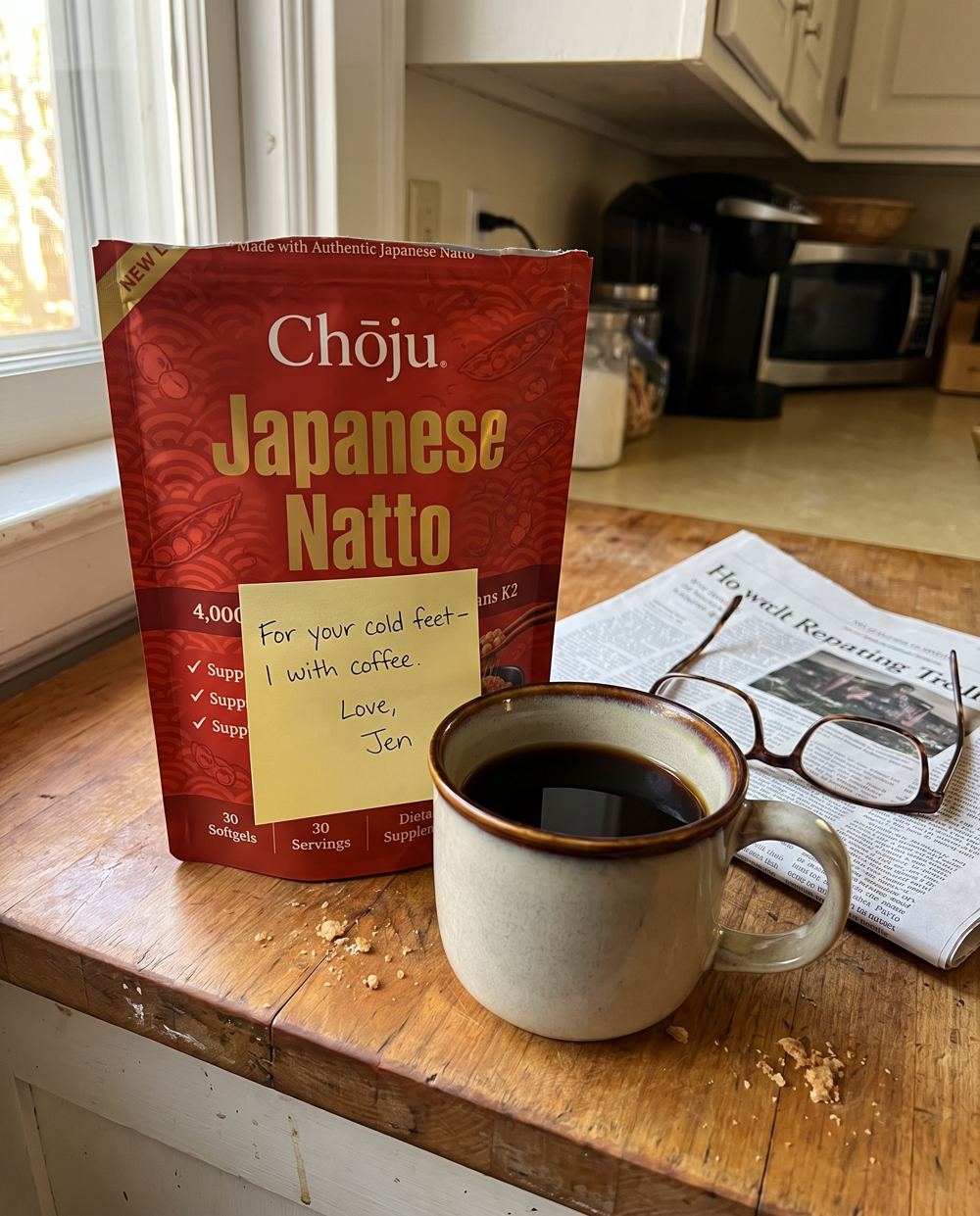
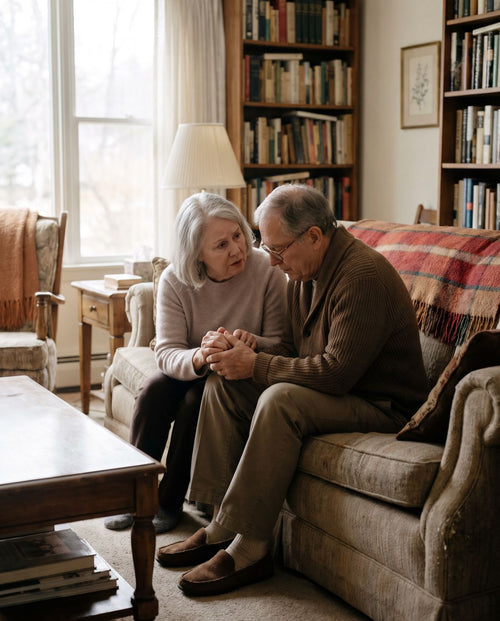
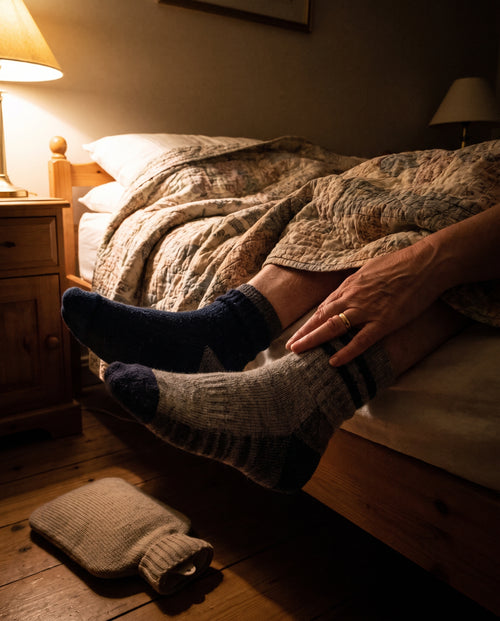
My mom is 77. She wears two pairs of socks to bed.
Her neighbor, Mrs. Tanaka, is 82. Last November I watched her kneel in her garden in bare feet, pulling weeds, while Mom watched from the window in a fleece blanket.
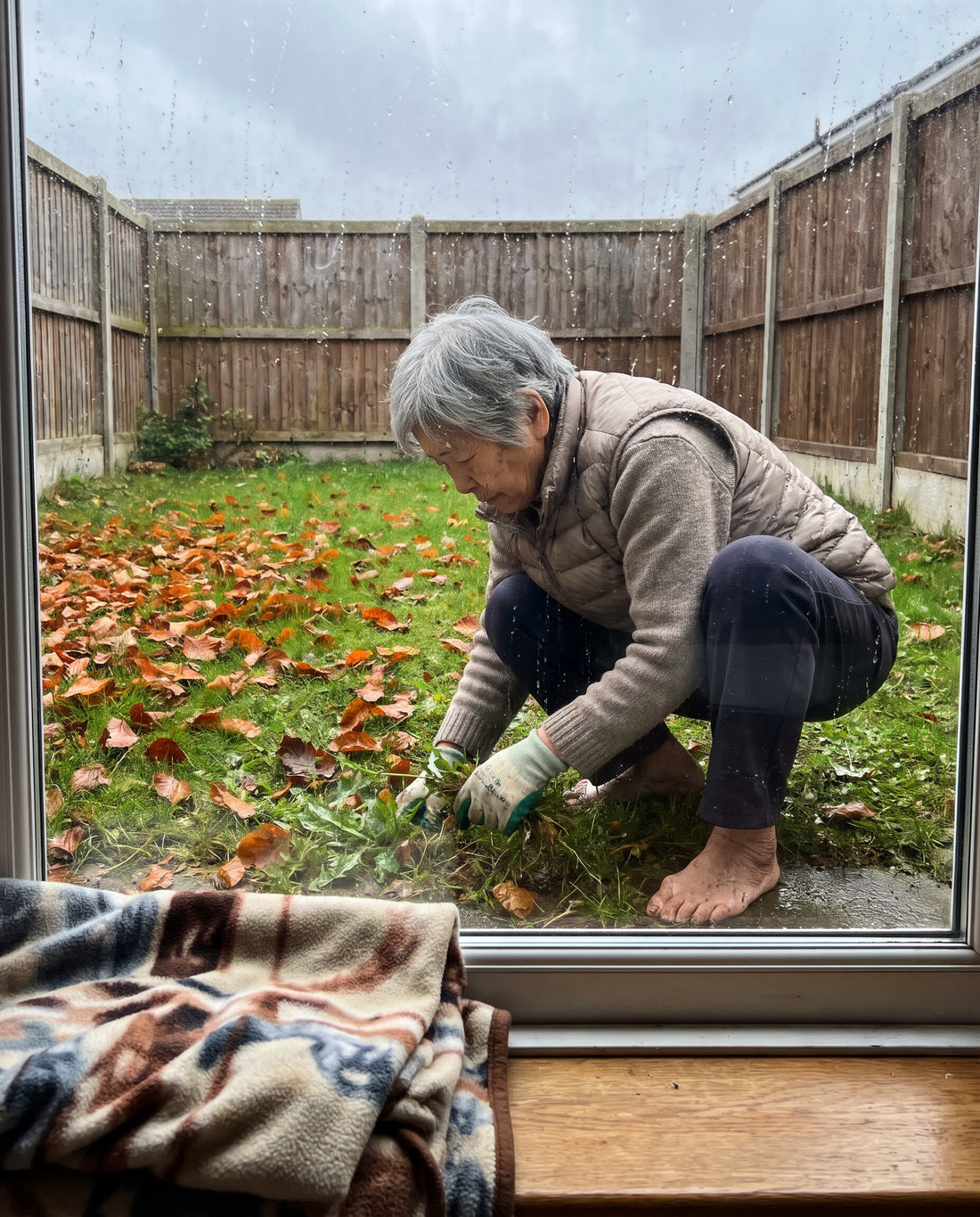
So I walked over and asked her how.
She laughed and said one word: "Natto."
The Breakfast Japan Has Eaten For 1,000 Years
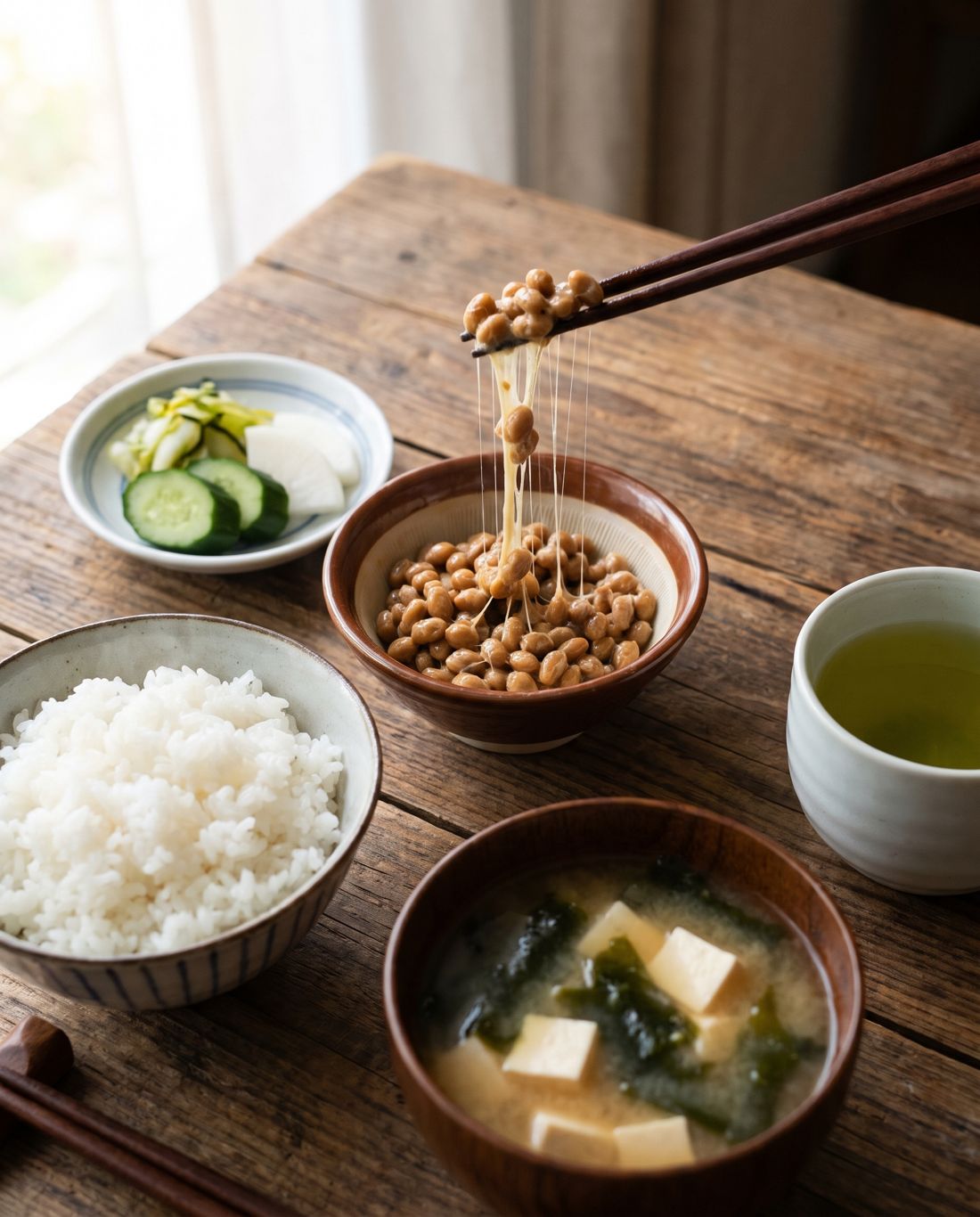
If you've never seen natto, it's soybeans fermented with Bacillus subtilis natto. Brown, sticky, stringy. Mrs. Tanaka has eaten a small bowl with rice every morning of her life, the way her mother and grandmother did.
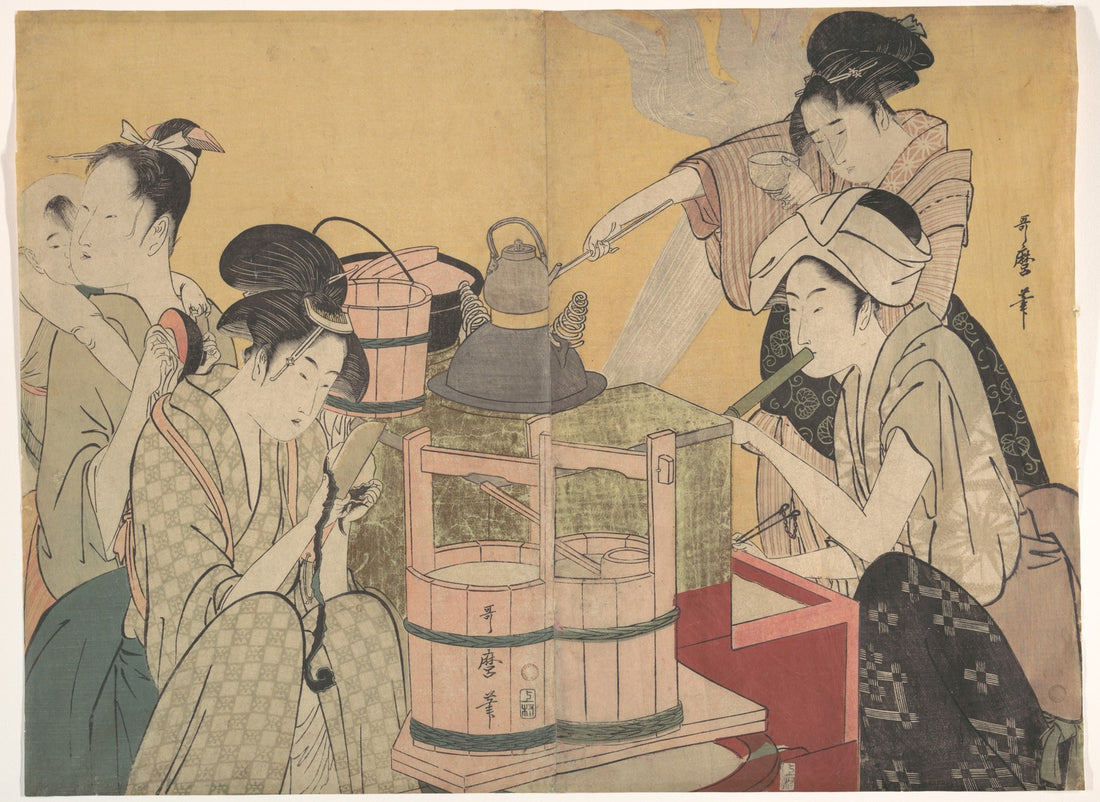
Japan has more people living past 100 than almost anywhere on earth, and natto shows up on those breakfast tables again and again. I'm not going to tell you natto is the whole reason. Walking, community, genetics, all of it matters. But it made me curious enough to start reading.
173 Foods. Only One Worked.
In 1980, a Japanese researcher named Dr. Hiroyuki Sumi tested 173 foods for one that could break down fibrin, a sticky protein your body uses as a patch. 172 failed. Natto didn't.
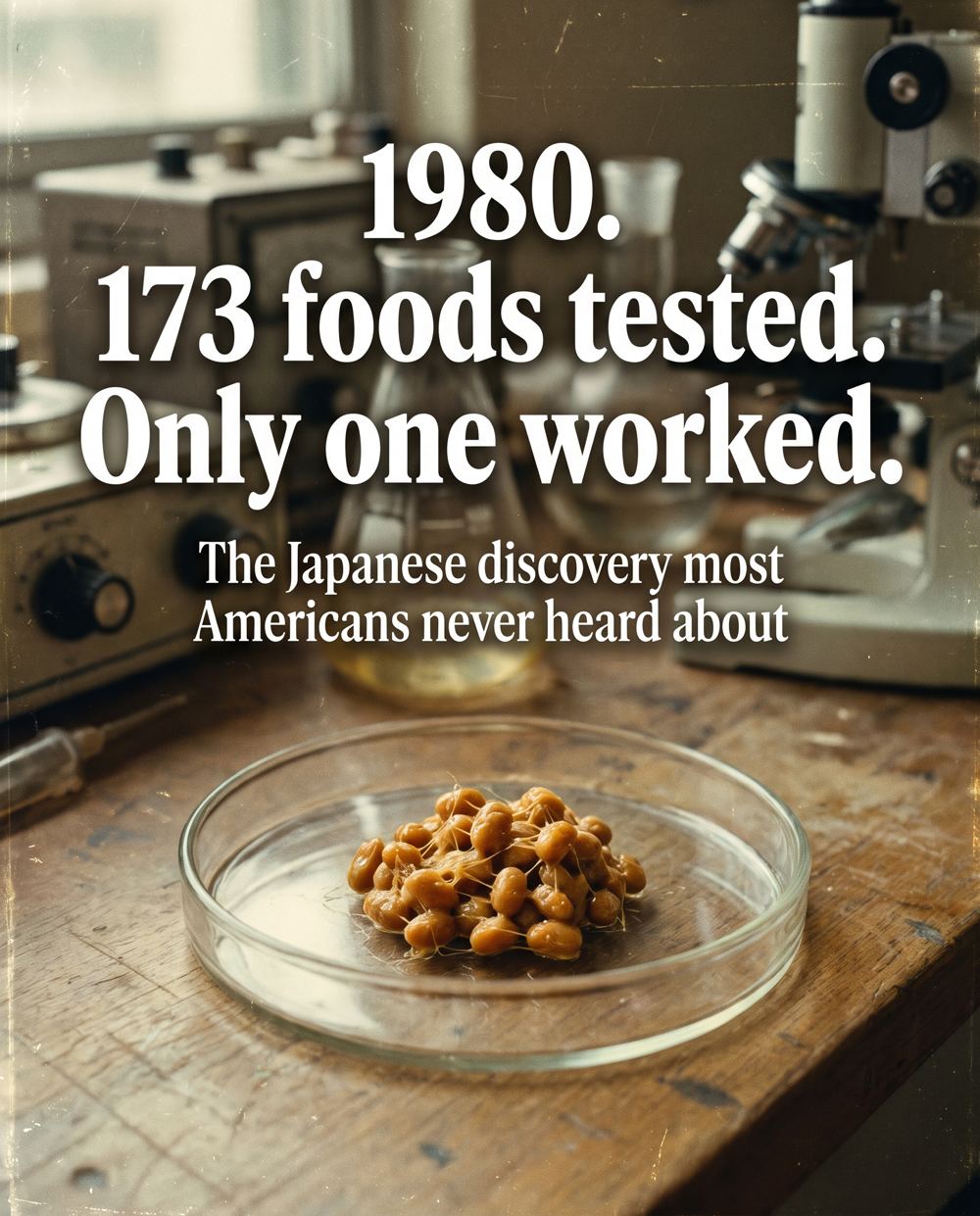
He named its enzyme nattokinase, and it has been studied ever since for its role in supporting healthy circulation.* Natto has a second gift too: it's the richest food source of vitamin K2, which helps send calcium into your bones.*
And then it clicked. Your hands and feet sit at the very end of your circulation. When it isn't at its best, that's where you feel it first. Suddenly Mom's socks made a lot more sense.
The Problem: Nobody In My Family Will Eat It
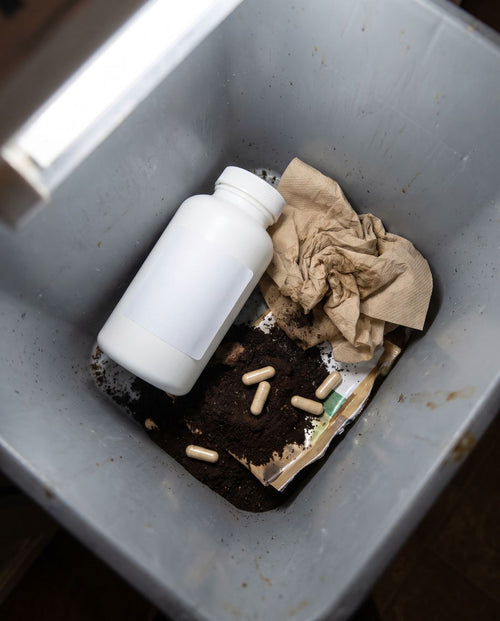
I bought natto at the Asian grocery store. Mom took one sniff and pushed it across the table. "It smells like old socks," she said. She wasn't wrong. It's sticky, slimy and leaves strings on everything.
Even Mrs. Tanaka admitted plenty of people in Japan can't stand it.
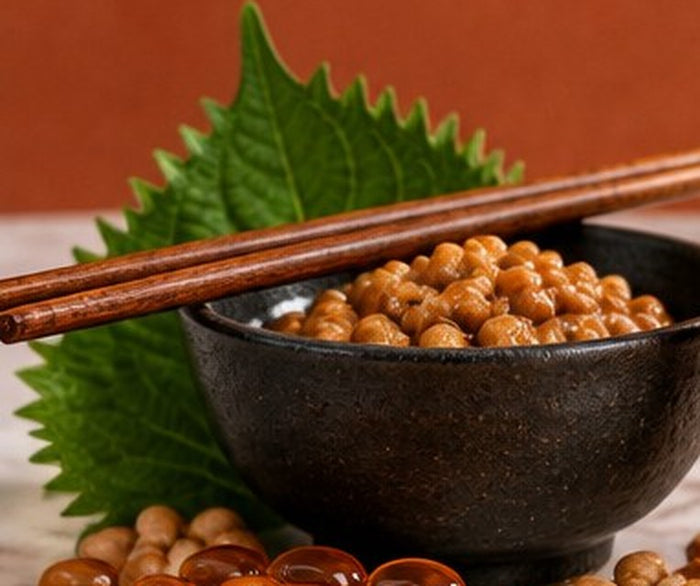 Real natto
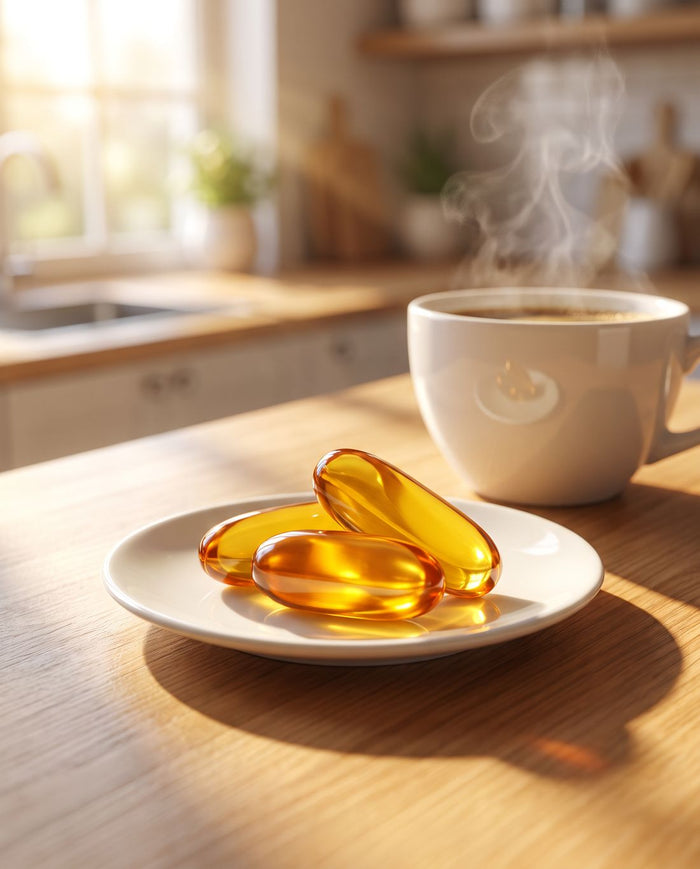 One softgel
So I looked for another way. And I learned the one thing that matters most: nattokinase is a fragile enzyme. Heat, air and moisture wear it down, and most supplements sell it as a dry powder in a capsule. If you're going to take it at all, the only form worth your time is sealed in oil.
What We Found
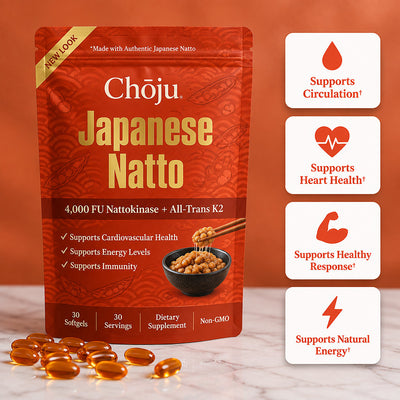
The version we settled on is Chōju Japanese Natto. It takes what made natto famous, 4,000 FU of nattokinase and 180 mcg of vitamin K2, adds 2,000 IU D3 and 500 mcg B12, and seals it in MCT oil inside one softgel. No bowl. No smell.
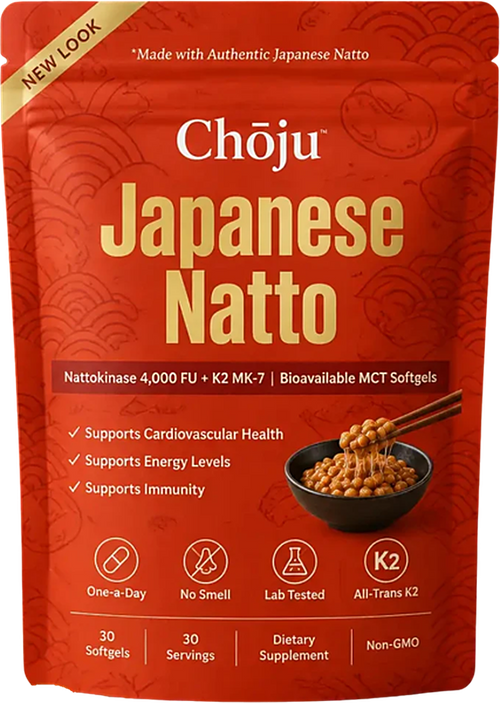
30 per bag
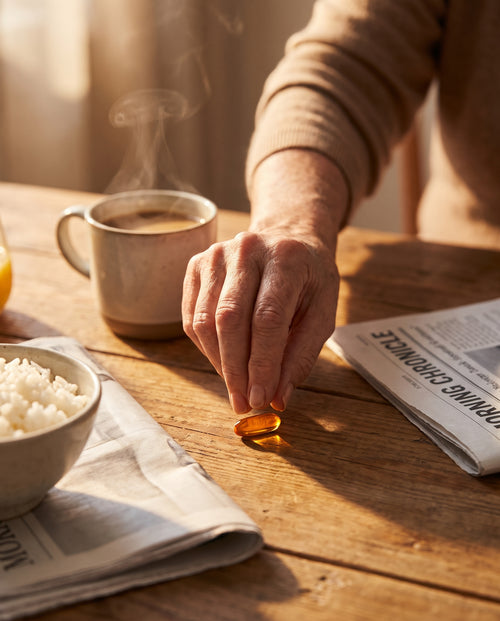
Mom takes one with her coffee. When I told Mrs. Tanaka, she laughed and said, "Lazy natto." Then she asked where to buy it for her son in Ohio.
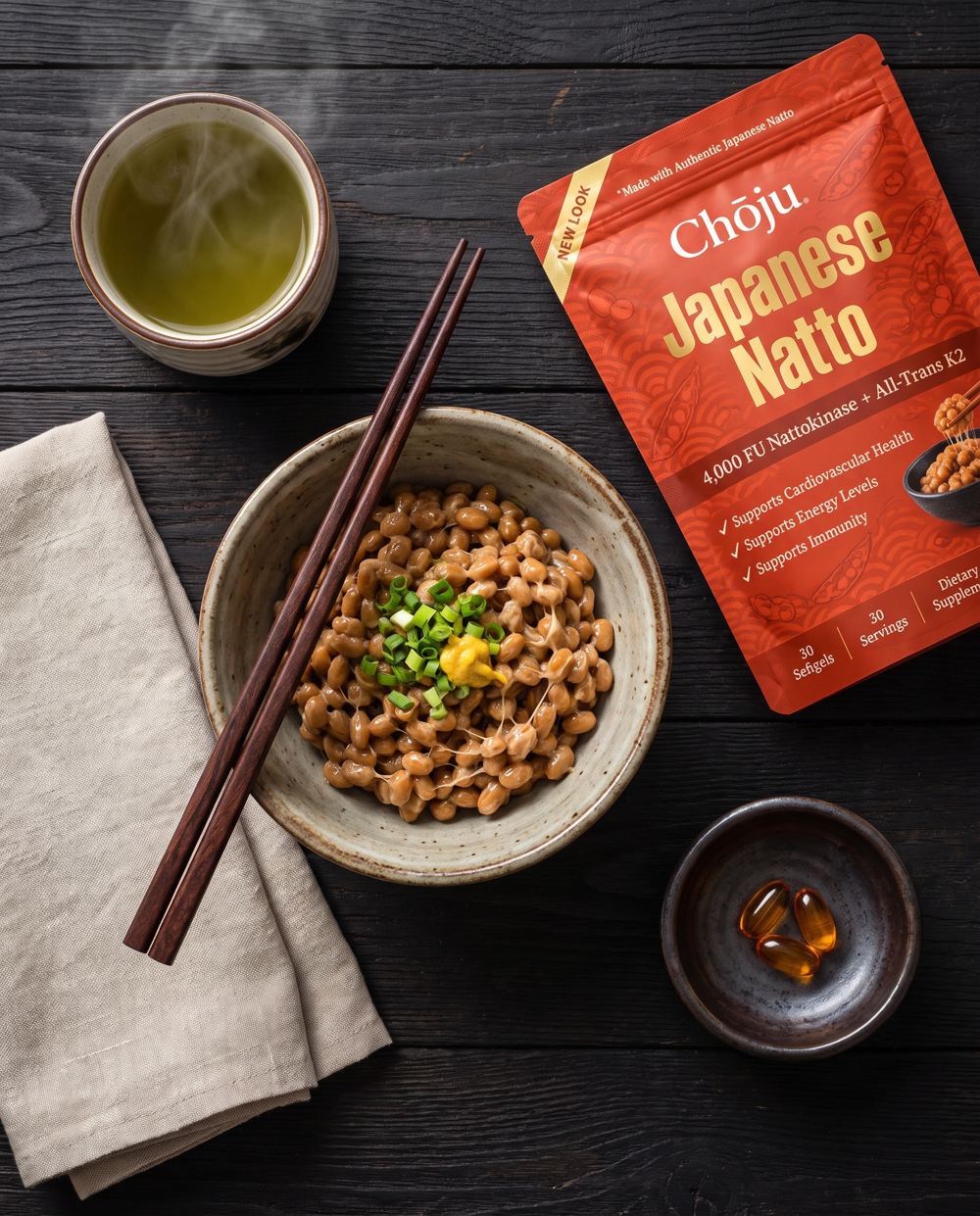
To be clear: Chōju is not a medicine and it won't "cure" anything. What there's research on is nattokinase and healthy circulation, and that's all Chōju claims.* If your hands and feet are always cold, mention it to your doctor.
A Discount For Readers
A tub of imported natto every morning is $4 to $6, plus the rice, the cleanup and the smell. One Chōju softgel is as little as 40¢ a day on Buy 3, Get 2 Free with Subscribe & Save. Less than one pair of heated socks for the month.
I asked the Chōju team for a discount for readers of this page, and they agreed to their Pre-Black Friday pricing. They also give you 120 days. If it doesn't earn its place in your morning, you get the product price back. No need to send anything back.
With love from one curious daughter,
Laura M.
P.S. Japan didn't get a 1,000-year habit from a pill. But if you'll never eat the bowl, this is the closest thing I've found.
P.P.S. Give it 8 weeks, one every morning, and judge it then.